guide to troubled birds

Understanding Troubled Birds: A Comprehensive Guide

This guide details crucial steps for aiding injured or orphaned birds, emphasizing swift action and expert care for successful rehabilitation and release.

What Constitutes a “Troubled” Bird?

A “troubled” bird exhibits behaviors or physical signs indicating distress, injury, or illness, requiring intervention. This encompasses a wide spectrum, from obvious trauma like a broken wing to more subtle indicators. Birds grounded for extended periods, unable to fly or perch normally, immediately signal a problem. Watch for visible injuries – bleeding, feather damage, or deformities.

Beyond physical signs, behavioral changes are key. A normally active bird becoming lethargic, fluffed up, or unusually quiet is cause for concern. Difficulty breathing, head tilting, or incoordination also point to trouble. Orphaned birds, appearing alone and unfed, clearly need assistance. Recognizing these signs promptly is vital, as stress is a leading cause of mortality in wildlife, and delayed care significantly reduces chances of successful rehabilitation.

Recognizing Signs of Illness in Birds

Identifying illness in birds requires keen observation. Look beyond obvious injuries for subtle cues. A sick bird may exhibit ruffled or fluffed plumage, even in warm weather, indicating discomfort or fever. Changes in droppings – unusual color, consistency, or frequency – are significant indicators. Decreased appetite or difficulty swallowing suggests internal issues.

Respiratory signs, like labored breathing, sneezing, or discharge from nostrils, are common. Behavioral changes include lethargy, isolation from flock mates, and a general lack of responsiveness. Watch for neurological signs such as head tilting, circling, or loss of balance. Early detection is crucial; prompt intervention dramatically improves the bird’s chances of recovery and minimizes the impact of the illness.

Common Causes of Bird Injuries

Numerous factors contribute to bird injuries, often stemming from human-related hazards. Window strikes are a leading cause, resulting in fractures and concussions. Collisions with vehicles pose a significant threat, particularly during migration. Predation by cats is a major concern, frequently causing severe trauma and infection.

Entanglement in fishing line, netting, or other debris can lead to limb damage and restricted movement. Exposure to toxins, such as pesticides or lead poisoning, weakens birds and impairs their ability to function. Additionally, natural events like storms can cause wing damage or displacement. Recognizing these common causes is vital for preventative measures and informed assistance when encountering an injured bird.

Immediate First Aid for Troubled Birds

Prioritize gentle handling and minimizing stress; quick, careful intervention is paramount for a troubled bird’s chances of recovery and successful rehabilitation.

Safe Capture and Containment Techniques

Capturing a troubled bird requires a calm and deliberate approach, prioritizing both your safety and the bird’s well-being. Gently approach the bird, using a towel or blanket to minimize stress and prevent further injury during capture. Avoid direct hand contact whenever possible, as this can escalate the bird’s fear and potentially cause harm.

Once captured, carefully place the bird into a secure, well-ventilated container – a cardboard box with air holes is often suitable. Line the box with soft material like paper towels, avoiding terrycloth which can snag claws. Ensure the container is appropriately sized; not too large that the bird can injure itself by thrashing, but not so small that it feels confined and panicked. Keep the container in a quiet, dark, and warm location, away from pets and children, while awaiting professional assistance. Remember, minimizing stress is crucial for the bird’s survival.

Minimizing Stress During Handling

Stress is a primary killer of injured wildlife, particularly birds, making its minimization paramount during any handling. Speak softly and move slowly around the bird, avoiding sudden movements or loud noises. Limit handling time to the absolute minimum necessary for assessment and safe containment.

Keep the bird in a darkened, quiet environment, as visual and auditory stimuli can exacerbate stress. Avoid direct eye contact, which birds may perceive as a threat. Do not attempt to offer food or water unless specifically instructed by a licensed wildlife rehabilitator, as improper feeding can be fatal. Gentle, confident handling, coupled with a calm demeanor, significantly increases the bird’s chances of recovery. Remember, a stressed bird’s system is compromised, hindering its ability to heal.

Finding Professional Help: Rehabilitation Centers

Locating skilled rehabilitators is vital; these centers offer specialized avian care, medical treatment, and a pathway for birds to return to nature.

Locating Licensed Wildlife Rehabilitators

Finding the appropriate care for an injured bird requires a focused search for licensed wildlife rehabilitators in your specific area. Begin by utilizing online search engines, employing keywords such as “wildlife rehabilitation,” “bird rescue,” or “avian rehabilitation” combined with your city or county. Local animal shelters and veterinary clinics are also excellent resources, often maintaining lists of permitted rehabilitators.

It’s crucial to verify that any individual or facility you contact possesses the necessary permits and licenses issued by your state’s wildlife agency. These credentials ensure they meet established standards for animal care and handling. Websites like the National Wildlife Rehabilitators Association (NWRA) can sometimes provide directories or links to state-level organizations that maintain lists of licensed professionals. Remember, timely intervention is paramount; a quick search can significantly improve a bird’s chances of recovery and a successful return to the wild.

What to Expect at a Rehabilitation Center

Upon arriving at a wildlife rehabilitation center with a troubled bird, anticipate a thorough assessment by trained professionals. They will evaluate the bird’s injuries, overall health, and determine the most appropriate course of treatment. This often includes a physical examination, potentially X-rays, and stabilization of any immediate life-threatening conditions.

Expect the center to provide specialized care, including wound management, fluid therapy, nutritional support, and pain medication as needed. Rehabilitators are experts in avian species and understand their unique needs. They’ll maintain a clean and stress-reduced environment to promote healing. Regular monitoring and adjustments to the treatment plan are standard. The center will keep you informed about the bird’s progress and estimated rehabilitation timeline, ultimately aiming for a successful return to its natural habitat.

Specific Injuries and Their Care

Addressing wing fractures, leg injuries, and head trauma requires specialized avian veterinary care, focusing on stabilization, pain management, and careful rehabilitation.

Wing Injuries: Fractures, Sprains, and Feather Damage

Wing injuries are frequently encountered in troubled birds, ranging from simple feather damage to complex fractures requiring immediate attention. Fractured wings necessitate stabilization, often through splinting, to promote proper healing and prevent further damage. Sprains, while less severe, still cause significant pain and limit flight capability, demanding rest and anti-inflammatory care.

Feather damage, whether from trauma or molting issues, impacts a bird’s ability to fly and regulate temperature. Rehabilitation involves assessing the extent of feather loss and providing a safe, enriched environment to encourage regrowth. It’s crucial to avoid interfering with natural molting processes. Expert assessment is vital to differentiate between a simple feather issue and a more serious underlying fracture or sprain, ensuring appropriate treatment is administered promptly for optimal recovery and eventual release back into the wild.

Leg and Foot Injuries: Breaks, Lacerations, and Infections

Leg and foot injuries in birds present unique challenges, encompassing fractures, deep lacerations, and potentially debilitating infections. Fractures require careful stabilization, often utilizing specialized wraps or casts, to ensure proper alignment during the healing process. Lacerations, common from environmental hazards, demand thorough cleaning and bandaging to prevent infection, a significant threat to avian health.

Infections, frequently stemming from puncture wounds, necessitate antibiotic treatment administered by a qualified wildlife rehabilitator. Prompt intervention is crucial, as untreated infections can quickly spread, leading to tissue damage and even amputation. Assessing circulation to the foot is vital; compromised blood flow can result in irreversible damage. Successful rehabilitation hinges on meticulous wound care, pain management, and restricted activity to allow for complete healing and restoration of mobility before release.

Head Trauma: Concussions and Neurological Issues

Head trauma in birds, often resulting from window strikes or falls, can manifest as concussions or more severe neurological issues. Signs include disorientation, head tilting, unequal pupil sizes, and difficulty perching or maintaining balance. Immediate stabilization is paramount; minimizing movement and providing a dark, quiet environment reduces stress and potential further injury.

Neurological assessments by a licensed rehabilitator are critical to determine the extent of the damage. Concussions require strict rest, while more serious injuries may necessitate supportive care, including fluid therapy and anti-inflammatory medications. Prognosis depends heavily on the severity of the trauma and the bird’s response to treatment. Careful monitoring for changes in neurological status is essential throughout the rehabilitation process, ensuring a safe return to the wild.

Orphaned Bird Care

Proper identification of true orphan status is vital, avoiding unnecessary intervention; species-specific feeding techniques are crucial for successful growth and development of young birds.

Identifying True Orphan Status

Determining if a young bird is truly orphaned requires careful observation, as parent birds often remain nearby even when it appears they’ve abandoned their nestlings. Before intervening, observe from a distance for at least one to two hours to see if the parents return. Fledglings, young birds that have left the nest but are still learning to fly, often spend time on the ground while their parents continue to feed and protect them.

It’s crucial to differentiate between a truly orphaned bird and one that is simply learning to navigate its environment. A healthy fledgling will be alert, responsive, and have fully or partially developed feathers. If a bird is injured, visibly sick, or has been unattended for an extended period with no parental presence, it may genuinely require assistance. Contacting a licensed wildlife rehabilitator for guidance is always recommended when uncertainty exists, ensuring the best possible outcome for the bird.

Appropriate Feeding Techniques for Different Species

Proper nutrition is paramount when caring for orphaned birds, but feeding techniques vary drastically between species. Never attempt to feed a bird cow’s milk, bread, or other inappropriate foods, as these can be fatal. Insectivores require a diet of insects, mealworms, or commercially prepared insectivore formulas. Seed-eaters need appropriate seed mixes, while fruitivores require soft fruits and nectar substitutes.

Feeding frequency and method also differ. Nestlings require frequent, small feedings, often every 15-30 minutes during daylight hours, using a syringe or specialized feeding tube. Fledglings can be offered larger, less frequent meals. Always research the specific dietary needs of the bird species you are caring for, and consult with a wildlife rehabilitator to ensure you are providing the correct nourishment for optimal growth and health; Improper feeding is a leading cause of mortality in rescued birds.

Post-Rehabilitation and Release

Successful release hinges on assessing a bird’s flight ability, foraging skills, and overall health, ensuring it’s prepared to thrive independently in its natural habitat.

Assessing Readiness for Release

Determining if a bird is truly ready for release is a multi-faceted process, demanding careful observation and evaluation by experienced rehabilitators. A crucial aspect involves assessing flight capability; the bird must demonstrate strong, controlled flight, mirroring natural patterns without labored breathing or instability.

Foraging behavior is equally important. The bird needs to actively and successfully hunt or gather food, exhibiting the skills necessary to sustain itself in the wild. Observing pre-release, the bird should demonstrate appropriate responses to potential threats, indicating a healthy fear of predators and an ability to protect itself.

Finally, a thorough physical examination confirms overall health, ensuring no lingering injuries or infections impede its survival. Weight, feather condition, and energy levels are all key indicators. Only when all these criteria are met can a bird be confidently released, maximizing its chances of a successful return to its natural environment.

Successful Release Strategies

Releasing a rehabilitated bird requires careful planning to maximize its chances of survival. Selecting an appropriate release site is paramount – it should closely resemble the bird’s natural habitat, offering ample food sources, shelter, and minimal human disturbance. Soft release techniques, where the bird is initially provided with supplemental food and shelter at the release site, can be beneficial, particularly for long-term rehabilitation cases.

Timing is also crucial; releases should ideally coincide with favorable weather conditions and peak foraging times. Minimizing stress during the release process is vital. A quiet, calm approach, avoiding direct handling if possible, helps the bird acclimate to its new surroundings.

Post-release monitoring, when feasible, provides valuable insights into the bird’s adaptation and overall success. Observing its behavior and tracking its movements can inform future rehabilitation and release strategies, continually improving outcomes for troubled birds.

Preventing Bird Injuries

Proactive measures, like window strike prevention and predator control, are essential for safeguarding avian well-being and minimizing the need for rehabilitation efforts.

Window Strike Prevention

Bird-window collisions represent a significant threat, often resulting in fatal injuries. Birds perceive reflections of trees and sky as navigable habitat, leading to devastating impacts. Preventing these strikes requires proactive solutions. Applying decals, specialized films, or even external screens to windows effectively breaks up reflections, making glass visible to birds.

Spacing these visual markers closely – ideally no more than 2×4 inches apart – is crucial for effectiveness. Interior decorations alone aren’t sufficient, as birds strike the outside of the window. Netting placed a few inches from the glass also provides a safe barrier. Regularly inspecting windows for cleanliness enhances visibility and reduces deceptive reflections. By implementing these preventative measures, homeowners can significantly reduce bird injuries and contribute to their conservation.

Protecting Birds from Predators

Protecting birds from predators, both domestic and wild, is vital for their survival, especially during rehabilitation or when young birds are fledging. Cats are a primary threat, so keeping domestic cats indoors is the most effective preventative measure. Outdoor cats can inflict severe, often fatal, injuries.

For wild predators like hawks and owls, providing dense shrubbery or trees near feeding areas offers birds protective cover. Bird feeders should be placed strategically, away from low branches where predators can perch. Regularly monitor the area around feeders for signs of predator activity. Removing potential perches can also deter predators. Creating a safe environment minimizes stress and increases a bird’s chances of recovery and successful reintegration into the wild.


road bike size guide cm

Road bike sizing is crucial for efficiency, performance, and comfort. A well-fitted bike ensures optimal power transfer, reduces fatigue, and enhances overall cycling experience.

1.1 Importance of Proper Bike Fit

A proper bike fit is essential for comfort, efficiency, and performance. A well-fitted road bike ensures optimal power transfer, reduces fatigue, and enhances overall cycling experience.

Incorrect sizing can lead to discomfort, poor posture, and increased risk of injury. A bike that fits correctly allows riders to maintain an aerodynamic position and generate maximum power.

Proper fit also improves handling and control, making the ride safer and more enjoyable. Whether riding for leisure or competitive racing, a correctly sized bike is fundamental to achieving your goals.

Investing time in ensuring the right fit guarantees a more satisfying and effective cycling experience, making every ride more enjoyable and productive.

1.2 Overview of Road Bike Size Charts

Road bike size charts are essential tools for determining the ideal frame size based on rider measurements. These charts typically correlate height and inseam with frame sizes in centimeters.

They often include guidelines for men’s and women’s bikes, as sizing can vary slightly between genders. Online calculators and manufacturer-specific charts are widely used to simplify the process.

By inputting height, inseam, and sometimes upper body measurements, riders can find a recommended frame size. These charts also consider riding style and performance goals, ensuring a balance between comfort and efficiency.

While size charts are helpful, they are not universal, as bike geometry and manufacturer standards can differ. Always cross-reference with the manufacturer’s specifications for accuracy.

Understanding Road Bike Frame Sizes

Road bike frame sizes, measured in centimeters, are crucial for a proper fit, ensuring comfort, efficiency, and optimal riding performance for cyclists of all levels.

2.1 What is a Road Bike Frame Size?

A road bike frame size refers to the measurement of the bike’s frame, typically in centimeters, designed to fit riders of specific heights and inseam lengths. Proper sizing ensures optimal comfort, efficiency, and performance. Frame size directly impacts the rider’s position, with larger frames accommodating taller riders and smaller frames suiting shorter cyclists. Manufacturers often provide size charts correlating height ranges with frame sizes, though there’s no universal standard. Accurate measurements are essential to avoid discomfort or injury. Using a size chart or calculator can help determine the ideal frame size based on individual measurements and riding style.

2.2 How Frame Sizes Are Measured

Frame sizes are typically measured in centimeters, representing the length of the seat tube from the center of the bottom bracket to the top of the tube. This measurement is crucial for determining the bike’s fit. While some manufacturers use different methods, the seat tube length remains the standard reference point. Accurate measurements ensure the bike aligns with the rider’s height and inseam, providing optimal comfort and performance. Always check the manufacturer’s specific sizing guidelines, as variations can occur between brands. Proper measurement is essential to avoid discomfort or poor fit, ensuring a safe and enjoyable riding experience.

Key Factors in Determining Road Bike Size

Rider height, inseam, upper body proportions, and riding style are critical in selecting the right road bike size for optimal efficiency and comfort.

3.1 Rider Height and Inseam Measurement

Rider height and inseam are fundamental in determining the ideal road bike size. Height provides a baseline for frame size, while inseam ensures proper standover clearance and saddle height. Measure your inseam by standing against a wall with a book between your legs, then calculate the distance to the floor. This measurement helps determine the correct frame size for comfort and efficiency. Using a height-to-frame size chart, you can narrow down your options, but always consider inseam for accuracy. Proper fit ensures optimal power transfer, comfort, and control. For precise sizing, combine height and inseam measurements with a sizing calculator or consult a professional fitter to avoid discomfort or performance issues.

3.2 Upper Body and Arm Length

Upper body and arm length play a significant role in road bike sizing, as they influence handlebar reach and riding comfort. A rider’s arm span, measured fingertip to fingertip, helps determine the ideal handlebar width and stem length. Proper fit ensures efficient power transfer and reduces strain on the shoulders and neck. While height and inseam are primary factors, arm length fine-tunes the bike’s geometry to match the rider’s proportions. For example, longer arms may require a shorter stem or wider handlebars for optimal control. Combining these measurements with height and inseam provides a more accurate fit, ensuring a comfortable and performance-oriented riding position. Always consult a size chart or professional fitter for precise adjustments.

3.3 Riding Style and Performance Goals

Riding style and performance goals significantly influence road bike sizing. Riders focused on speed and racing may prefer a more aggressive geometry, with a lower handlebar position for aerodynamics. Endurance riders, prioritizing comfort, might opt for a slightly taller handlebar and relaxed frame design. Performance goals also dictate frame size and fit, as a bike tailored to a rider’s style enhances efficiency and comfort. For example, a triathlete might require a different setup than a casual rider. While height and inseam are foundational, riding style and goals refine the fit, ensuring the bike matches the rider’s needs for speed, comfort, or handling. This personalized approach maximizes performance and enjoyment on the road.

Road Bike Size Chart by Height

A road bike size chart by height helps match riders to the ideal frame size, ensuring comfort and performance. Use height and inseam for accurate sizing.

4.1 Height-to-Frame Size Conversion

Height-to-frame size conversion is a foundational step in determining the right road bike size. Most size charts correlate rider height with frame size in centimeters. For example, a rider measuring 170-175 cm tall typically fits a 54-56 cm frame. This conversion ensures a comfortable riding position and optimal performance. However, it’s important to consider inseam and upper body proportions alongside height, as these factors can influence the ideal fit. Manufacturers often provide detailed charts, but slight variations exist between brands. Always cross-reference your height with the specific brand’s sizing guide to ensure accuracy. This step helps narrow down the options, making the selection process more efficient and personalized to your needs.

4.2 Women’s vs. Men’s Road Bike Sizes

Women’s and men’s road bike sizes differ due to average body proportion variations. Women’s bikes often feature shorter frame sizes and narrower handlebars to accommodate shorter arms and torso lengths. Men’s bikes typically have longer top tubes and wider handlebars. However, frame sizes overlap, and the key distinction lies in geometry rather than size. Some women may fit better on men’s bikes, and vice versa, depending on individual measurements. Unisex or gender-neutral options are also available, catering to a broader range of riders. Ultimately, the best fit is determined by personal comfort, riding style, and body proportions, rather than gender-specific sizing alone.

The Role of Bike Geometry

Bike geometry determines handling and fit, affecting comfort and performance. Proper alignment ensures efficiency and comfort, catering to different riding styles, specific performance goals, and preferences.

5.1 What is Bike Geometry?

Bike geometry refers to the measurement and alignment of a bike’s components, including frame size, wheelbase, head tube angle, seat tube angle, and chainstay length. These measurements determine how a bike handles, its stability, and its efficiency. Proper geometry ensures optimal performance, comfort, and control, catering to specific riding styles and terrains. For road bikes, geometry is optimized for speed and aerodynamics, with steeper angles for responsiveness. Understanding bike geometry helps riders choose a bike that aligns with their performance goals and body proportions, ensuring a harmonious fit and enhanced cycling experience.

5.2 How Geometry Affects Fit and Performance

Bike geometry significantly impacts both fit and performance. A well-designed geometry ensures the rider is positioned optimally, reducing strain and enhancing comfort. For road bikes, a steeper head tube angle improves handling and responsiveness, while a longer wheelbase increases stability at high speeds. The seat tube angle affects pedaling efficiency, with a steeper angle often reducing strain on the lower back. Proper geometry alignment also ensures efficient power transfer, making each pedal stroke more effective. Additionally, handlebar reach and drop influence upper body comfort and aerodynamics. When geometry aligns with a rider’s body proportions and riding style, it maximizes performance, comfort, and overall cycling efficiency, making every ride more enjoyable and productive.

How to Choose the Right Road Bike Size

Selecting the right road bike size involves measuring height, inseam, and upper body proportions. Use size charts and test rides to ensure optimal fit and performance.

6.1 Using a Size Chart

A road bike size chart is a essential tool for determining the correct frame size. These charts typically correlate rider height and inseam measurements with frame sizes in centimeters. By accurately measuring your height and inseam, you can match your dimensions to the corresponding frame size. Most charts also consider upper body proportions and riding style. Women’s and men’s charts may differ due to anatomical variations. Always cross-reference the chart with the manufacturer’s specific sizing, as standards can vary slightly between brands. Using a size chart ensures a balanced fit, avoiding discomfort or performance issues. It’s a straightforward way to narrow down your options before a test ride.

6.2 Test Rides and Fit Adjustments

A test ride is the ultimate way to confirm the right bike size and make necessary adjustments. Even with a size chart, physical fit can vary due to personal comfort preferences. During a test ride, pay attention to how the bike feels—saddle height, handlebar reach, and overall comfort. Adjustments like saddle height, handlebar position, and cleat alignment can fine-tune the fit. A professional bike fitter can help optimize these settings for maximum efficiency and comfort. Small tweaks can make a big difference in performance and reduce the risk of discomfort or injury. Always prioritize how the bike feels during a ride, as this is where the true fit is revealed.

Common Mistakes in Sizing a Road Bike

Common mistakes include ignoring inseam measurements, not considering upper body proportions, and relying solely on size charts without test rides, leading to discomfort and poor performance.

7.1 Ignoring Inseam Measurements

Ignoring inseam measurements is a common mistake when sizing a road bike. Inseam directly impacts standover clearance and saddle height, ensuring comfort and efficiency. A proper fit requires accurate measurements.

Neglecting inseam can lead to a bike that’s too large or too small, causing discomfort, poor performance, or even safety issues. Always measure inseam and use it alongside height for accurate sizing.

7.2 Not Considering Upper Body Proportions

Overlooking upper body proportions is another common error in road bike sizing. While height and inseam are critical, arm and torso length also play a significant role in achieving a comfortable riding position.

A bike that fits the legs but doesn’t accommodate the upper body can lead to discomfort, poor posture, and reduced control. Riders with longer or shorter torsos may need bikes with different handlebar heights or stem lengths to maintain an optimal position. Neglecting these measurements can result in strain on the neck, shoulders, and back, ultimately affecting performance and enjoyment. Always consider upper body proportions alongside other measurements for a holistic fit.

Road Bike Sizing Calculator

A road bike sizing calculator helps determine the ideal frame size using height, inseam, and riding style. It streamlines the process for a perfect fit.

8.1 How to Use an Online Sizing Tool

Using an online road bike sizing tool is straightforward. Start by entering your height and inseam measurements. Some calculators also ask for arm length and riding style. Input your data, and the tool will recommend a frame size based on industry standards. Consider road-specific geometry, as manufacturers tailor frames for performance or comfort. Consider consulting the manufacturer’s size chart for accuracy. Test rides are still recommended to fine-tune the fit. This method saves time and provides a reliable starting point for selecting the right bike. Ensure measurements are accurate for the best results.

8.2 Limitations of Sizing Calculators

While online sizing tools are helpful, they have limitations. They rely on standardized formulas, which may not account for individual body proportions or unique riding preferences. For example, riders with unusually long torsos or arms may find the recommended size inadequate. Additionally, bike geometry varies between manufacturers, so a size from one brand may not fit the same as another. The tools also don’t consider personal comfort preferences, such as handlebar height or saddle position. Therefore, while calculators provide a good starting point, they should be supplemented with test rides and professional bike fits for optimal results. Always verify with the manufacturer’s specific sizing charts for accuracy.

Adjusting Your Road Bike for Optimal Fit

Proper bike fit enhances comfort and performance. Adjust saddle height for leg extension and handlebar reach for upper body alignment. Test rides and professional fitting ensure optimal positioning.

9.1 Saddle Height and Position

Saddle height is critical for optimal pedaling efficiency and comfort. Measure inseam and set saddle height so legs are 80-90% extended at the pedal’s lowest point. Proper positioning prevents strain and enhances power transfer. Ensure the saddle is level or slightly tilted for comfort; Adjusting the saddle height and position can significantly improve riding performance and reduce fatigue. Always test the fit during a ride to ensure optimal alignment and comfort.

9.2 Handlebar Height and Reach

Handlebar height and reach are essential for maintaining a comfortable and efficient riding position. The height should allow a slight bend in the elbows, with hands in a neutral position on the hoods or drops. Proper reach ensures the torso is not overly stretched, reducing strain on the neck and shoulders. Measure handlebar reach by comparing it to your arm length and upper body proportions. Adjusting the stem height and angle can fine-tune the fit. Ensure the handlebars are level or slightly tilted for optimal comfort. Correct handlebar setup enhances aerodynamics, control, and overall riding performance, making it a critical aspect of road bike sizing.

Special Considerations for Shorter Riders

Shorter riders often require smaller frames and adjusted components; Proper fit ensures comfort and efficiency, with considerations for women’s sizes and proportionate handlebars and crank lengths.

10.1 Frame Size Options for Petite Riders

Petite riders often require smaller frame sizes, typically below 50cm, to ensure proper fit and comfort. Many manufacturers offer frames designed specifically for shorter riders, with adjusted geometries to maintain performance. These bikes usually feature shorter top tubes, lower standover heights, and smaller wheel sizes to accommodate smaller body proportions. Women’s-specific frames are also available, catering to shorter riders with tailored designs. When choosing a frame, accurate height and inseam measurements are essential; Using a sizing calculator or consulting a professional can help determine the ideal size. Test rides are highly recommended to ensure the bike feels comfortable and responsive, as even small fit adjustments can significantly impact riding efficiency and enjoyment.

10.2 Component Selection for Smaller Frames

For smaller frames, component selection is critical to ensure comfort and performance. Petite riders benefit from proportionally sized crank arms, handlebars, and stems to maintain proper reach and control. Saddle height and seatpost length must align with the rider’s inseam, while handlebar width should match shoulder width for optimal ergonomics. Smaller frames often pair well with 650b wheels for improved maneuverability and comfort. Components like shorter-reach brake levers and narrower handlebars can enhance control for smaller hands. Ensuring all parts are scaled appropriately guarantees a harmonious fit, preventing discomfort and optimizing performance. Consulting with a professional can help tailor components to the rider’s specific needs, ensuring a bike that is both efficient and enjoyable to ride.

Special Considerations for Taller Riders

Taller riders require larger frames for optimal comfort and performance. Properly fitted components, such as longer crank arms and handlebars, ensure efficient pedaling and control. Handling and stability are enhanced with frames designed to accommodate taller riders, providing a balanced riding experience.

11.1 Frame Size Options for Tall Riders

Taller riders typically require larger road bike frames to ensure comfort and efficiency. Frames are measured by their seat tube length, with taller riders often needing sizes from 58cm to 63cm or more. Standover height and top tube length are critical for proper fit, ensuring adequate clearance and reach. Many manufacturers offer extended size options to accommodate taller cyclists, providing frames designed to maintain optimal geometry and handling. Accurate measurements, including inseam and arm length, are essential for selecting the right size. Properly fitted components, such as longer crank arms and handlebars, further enhance the riding experience. This ensures taller riders can enjoy a comfortable, efficient, and controlled ride.

11.2 Handling and Stability in Larger Frames

Larger road bike frames, designed for taller riders, often feature geometry that prioritizes stability and control. Manufacturers adjust head tube angles, wheelbase lengths, and fork rakes to ensure balanced handling. Taller frames may feel slightly less agile but offer improved stability at high speeds. Proper weight distribution is key, as taller riders benefit from a lower center of gravity. Component fit, such as crank arm length and handlebar reach, also plays a role in maintaining control. While larger frames can feel more stable, they may require more effort to maneuver in tight spaces. Balancing stability and responsiveness is crucial for taller riders to enjoy both comfort and performance on the road.

Proper road bike sizing enhances comfort, efficiency, and performance. Use size charts, test rides, and professional fittings to ensure your bike fits perfectly for an optimal cycling experience.

12.1 Summary of Key Points

Proper road bike sizing is essential for comfort, efficiency, and performance. Key factors include rider height, inseam, upper body proportions, and riding style. Using size charts and calculators helps determine the ideal frame size. Test rides and professional fittings ensure optimal fit. Ignoring inseam or upper body measurements can lead to discomfort or injury. Bike geometry plays a crucial role in how the bike handles and fits. Adjustments like saddle height and handlebar position further refine the fit. For shorter or taller riders, specialized frame options and components are available. Always consider manufacturer guidelines and test ride before purchasing. A well-fitted bike enhances the cycling experience, ensuring efficiency and enjoyment.

12.2 Final Tips for a Perfect Fit

Achieving the perfect fit requires a combination of proper sizing, adjustments, and personal preference. Always start with a professional bike fitting or use online calculators to determine your ideal frame size. Test rides are essential to ensure comfort and performance. Pay attention to saddle height, handlebar reach, and geometry to optimize your riding position. Regularly adjust your bike as your fitness level or riding style evolves. Consider consulting a professional fitter for fine-tuning. Remember, a well-fitted bike not only enhances performance but also reduces the risk of discomfort or injury. Prioritize comfort and efficiency to enjoy a superior cycling experience tailored to your needs.

tailoring leveling guide

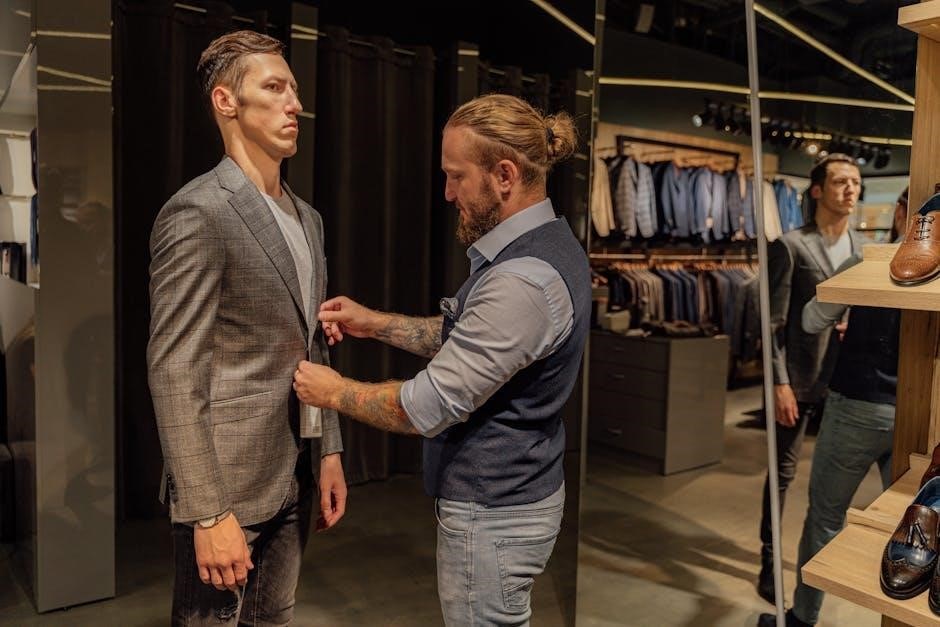
Tailoring is the art of crafting garments that combine form, function, and flawless fit. It involves precision cutting, resizing, and handwork to create bespoke clothing that enhances personal style.

What is Tailoring?

Tailoring is the craft of creating or altering clothing to achieve a perfect fit, combining precision, artistry, and technical skill. It involves cutting, resizing, and finishing fabrics to create garments that flatter the body. Tailoring requires a deep understanding of measurements, fabric types, and construction techniques. Whether for bespoke suits, everyday alterations, or haute couture, tailoring blends form and function to enhance comfort, aesthetics, and durability. It is both a practical trade and an artistic expression, relying on handwork, attention to detail, and a passion for transforming raw materials into wearable masterpieces. Tailoring is essential in fashion, offering customization and personalization.

The Importance of Tailoring in Fashion

Tailoring plays a pivotal role in fashion by ensuring garments fit flawlessly, enhancing both aesthetics and comfort. It bridges creativity and functionality, allowing designers to craft unique, high-quality pieces. Tailoring elevates off-the-rack clothing through alterations, making it suitable for diverse body types. In bespoke fashion, it enables the creation of one-of-a-kind outfits that reflect personal style. Tailoring also preserves traditional craftsmanship while driving innovation in fabric manipulation and construction techniques. Its emphasis on precision and artistry makes it indispensable in haute couture and ready-to-wear collections, ensuring durability and timeless appeal. Thus, tailoring is a cornerstone of fashion, blending heritage with modernity to meet evolving style demands.

Basic Skills Required for Tailoring

Mastering tailoring begins with fundamental skills such as accurate measuring, cutting fabric precisely, and sewing with consistency. Proficiency in using tools like scissors, sewing machines, and irons is essential. Understanding fabric types and their behaviors ensures proper handling and selection for projects. Basic hand-stitching techniques are crucial for finishing seams and hems. Pattern reading and garment construction skills lay the foundation for creating well-fitted clothes. Attention to detail and patience are vital, as tailoring demands precision and care. Developing these skills through practice and formal training builds a strong base for advancing in the craft, enabling the creation of professional-quality garments.

Getting Started with Tailoring

Embark on your tailoring journey by gathering essential tools, understanding fabric types, and mastering basic measuring techniques. Start with simple projects to build confidence and skills gradually.

Essential Tools and Equipment

Mastering tailoring requires the right tools. A sewing machine, sharp scissors, measuring tape, and fabric shears are indispensable. Invest in a quality sewing machine for precision stitching. Use sharp scissors and shears to cut fabric cleanly. A measuring tape ensures accurate body measurements. Pins, seam rippers, and ironing tools are also crucial. A tailor’s ham and pressing board help shape garments. Thimbles protect fingers while hand-stitching. Thread, zippers, and buttons are basic supplies. Proper tools elevate your work, ensuring professional results. Start with essentials and expand as you progress in your tailoring journey.

Understanding Fabric Types and Uses

Understanding fabric types is crucial for successful tailoring. Common fabrics include cotton, wool, silk, and synthetic blends, each with unique properties. Cotton is durable and ideal for casual wear, while wool suits formal garments. Silk is luxurious but delicate, perfect for special occasions. Synthetic fabrics like polyester offer versatility and ease of care. Knowing the weight, texture, and drape of fabrics helps in selecting the right material for your project. For example, lightweight fabrics like chiffon are great for flowing designs, while heavy fabrics like denim are better for structured pieces. Choosing the right fabric ensures your garment looks and feels its best.

Measuring Techniques for Accurate Fits

Accurate measurements are the foundation of successful tailoring. Start by using a flexible tape measure to record key body measurements, such as chest, waist, hips, and inseam. Ensure the tape is level and not too tight or loose. Measure over the same undergarments and footwear intended for the final garment. Documenting these measurements helps create patterns or alterations that fit perfectly. For tailored garments like suits or dresses, additional measurements, such as shoulder slope and arm length, may be needed. Regularly double-checking measurements ensures precision and avoids costly mistakes. This step is essential for achieving a professional, custom fit in any tailoring project.

Leveling Up Your Tailoring Skills

Mastering tailoring requires practice, patience, and dedication. Start with simple projects, gradually advancing to complex techniques. Continuous learning and hands-on experience refine your craft and build confidence.

Beginner Projects to Build Confidence

Starting with simple projects helps build confidence in tailoring. Hemming pants, taking in seams, and altering sleeves are excellent beginner tasks. These small adjustments teach accuracy and patience. Gradually, you can move to more complex projects like resizing shirts or skirts, refining your skills. Each completed project boosts your confidence and prepares you for advanced techniques. Remember, practice is key to mastering tailoring. Begin with fabrics you’re comfortable working with, and don’t hesitate to experiment. These foundational projects lay the groundwork for more intricate creations, ensuring a smooth progression in your tailoring journey.

Intermediate Techniques for Better Results

Intermediate tailoring techniques focus on refining skills for professional finishes. Working with various fabrics, such as wool or silk, enhances versatility. Constructing jackets, dresses, or trousers teaches advanced pattern use and fitting. Learning to sew linings, install zippers, and craft buttonholes improves garment quality. Embellishments like embroidery or appliqué add a personal touch. Practicing these techniques builds precision and confidence, preparing you for complex projects. Regularly reviewing patterns and fitting adjustments ensures accuracy. These intermediate steps are crucial for achieving polished, professional results in your tailoring projects.

Advanced Methods for Professional Finishes

Advanced tailoring methods elevate garments to professional standards, focusing on precision and attention to detail. Techniques like hand-stitching, intricate embroidery, and custom embroidery enhance the quality of bespoke suits and intricate designs. Mastering the art of working with premium fabrics, such as silk or cashmere, ensures a luxurious finish. Advanced pattern-making and fitting adjustments allow for flawless customization. Incorporating high-end tools and equipment streamlines the process, while understanding fabric behavior ensures durability and comfort. These methods are essential for creating garments that stand out in both aesthetics and craftsmanship, catering to discerning clients who value exclusivity and perfection in their tailored pieces.

Key Aspects of Tailoring

Tailoring combines precision, creativity, and technical skill to craft garments that fit flawlessly. It involves understanding fabric, mastering cutting techniques, and balancing aesthetics with functionality for exceptional results.

The Art of Cutting and Resizing

The art of cutting and resizing is a cornerstone of tailoring, requiring precision and creativity. It involves understanding fabric grain, patterns, and proportions to achieve a flawless fit. Tailors must master techniques like cropping, reshaping, and re-sizing garments to meet individual needs. This skill ensures that clothing not only fits perfectly but also maintains its aesthetic appeal. Proper cutting and resizing are essential for transforming raw materials into bespoke pieces, making it a fundamental aspect of the tailoring process. Mastery of this art elevates a tailor’s work, ensuring garments are both functional and visually stunning.

Handwork and Embellishments

Handwork and embellishments are essential elements in tailoring, adding a personal touch and elevating garments to a professional level. Techniques like hand-stitching, embroidery, and buttonhole creation showcase a tailor’s skill and attention to detail. These methods ensure durability and a polished finish, distinguishing bespoke pieces from mass-produced items. Embellishments such as intricate stitching or decorative elements enhance the garment’s aesthetic appeal. Mastery of handwork requires patience and practice, making it a cornerstone of advanced tailoring. By incorporating these details, tailors can create unique, high-quality garments that reflect both craftsmanship and artistry, setting their work apart in the fashion industry.

Combining Form and Function in Garments

Combining form and function in tailoring ensures garments are both visually appealing and practical. A well-tailored piece balances aesthetics with comfort and usability, making it versatile for various occasions. Tailors achieve this by selecting fabrics that suit the garment’s purpose, incorporating functional details like pockets or adjustable closures, and ensuring a flattering fit. Attention to ergonomics and movement allows the wearer to feel comfortable without compromising style. This harmonious blend of design and utility is a hallmark of expert tailoring, creating garments that are not only beautiful but also durable and functional, meeting the wearer’s needs while making a fashion statement.

Common Tailoring Projects

Common tailoring projects include hemming pants, taking in seams, creating bespoke suits, and altering clothing to fit perfectly, ensuring both style and functionality for everyday wear.

Hemming Pants and Taking in Seams

Hemming pants and taking in seams are fundamental tailoring projects that ensure a perfect fit. Hemming involves folding and stitching the raw edges of pant legs to prevent fraying and achieve a polished look. Taking in seams requires precision to reduce fabric for a slimmer fit. Both techniques demand accurate measurements and careful stitching to maintain garment integrity. These tasks are essential for altering ready-made clothing or creating custom pieces. With basic tools like a sewing machine and iron, anyone can master these skills, enhancing their wardrobe with professional finishes. These projects are ideal for beginners, offering practical experience in tailoring basics.

Creating Bespoke Suits

Creating bespoke suits is the pinnacle of tailoring, offering a perfect blend of style, fit, and craftsmanship. This process involves taking precise measurements, selecting premium fabrics, and meticulously constructing each garment to flatter the wearer’s physique. A bespoke suit requires advanced skills in pattern-making, cutting, and hand-stitching to ensure a flawless finish. Tailors must pay close attention to details like shoulder alignment, sleeve length, and trouser break to achieve a polished look. This labor-intensive craft demands patience and expertise, making bespoke suits a true luxury. For tailors, mastering this art is a testament to their dedication and skill in the field.

Designing and Altering Clothing

Designing and altering clothing is a core aspect of tailoring, focusing on creating or modifying garments to achieve a perfect fit and desired aesthetic. Tailors use their skills to reshape, resize, or redesign clothing, ensuring it flatters the wearer’s body. This process involves precise measurements, pattern adjustments, and meticulous stitching. Common alterations include hemming pants, taking in seams, and adjusting sleeve lengths. Designing bespoke pieces, like custom suits or dresses, allows tailors to express creativity while meeting specific client needs. Whether refining existing garments or crafting new ones, this skill showcases a tailor’s ability to blend functionality with style, making it a cornerstone of their craft.

Tailoring for Different Body Types

Tailoring for various body types requires understanding measurements and proportions to create garments that flatter and fit perfectly, ensuring comfort and style for every individual shape.

Understanding Body Measurements

Accurate body measurements are fundamental to tailoring, ensuring garments fit perfectly. Key measurements include chest, waist, hips, inseam, and sleeve length. These dimensions guide pattern creation and alterations. Properly taking measurements requires a flexible tape measure and a level stance. Even small discrepancies can affect fit, so precision is crucial. Understanding body proportions helps tailors address individual needs, from broad shoulders to longer torsos. Regularly updating measurements ensures garments evolve with the wearer’s body changes. Mastery of this step is essential for creating flattering, well-fitting clothing that enhances the wearer’s appearance and comfort. It forms the foundation of successful tailoring projects.

Customizing Garments for Perfect Fits

Customizing garments involves tailoring clothes to match individual body types and preferences. This process goes beyond basic alterations, focusing on creating a flawless fit. Tailors achieve this by analyzing body measurements, fabric drape, and personal style. Techniques include adjusting patterns, reshaping seams, and incorporating design elements like darts or tucks. Understanding fabric types and their stretch or structure is crucial for achieving the desired silhouette. Advanced skills, such as handwork and embroidery, can further enhance customization. The goal is to craft garments that not only fit perfectly but also reflect the wearer’s unique identity. This level of personalization sets tailored clothing apart from ready-to-wear options.

Addressing Common Fit Issues

Common fit issues, such as ill-fitting shoulders, uneven hems, or tight waistlines, can be resolved through precise tailoring techniques. Tailors often address these by adjusting patterns, taking in or letting out seams, and reshaping garments to align with the body. For example, adding darts or tucks can improve fit around the torso, while altering sleeve lengths ensures comfort and proportion. Understanding fabric stretch and drape is key to solving issues like puckering or sagging. Accurate measurements and a keen eye for detail help prevent fit problems before they arise. Mastering these adjustments ensures garments look and feel their best, enhancing both comfort and confidence.

Starting a Tailoring Business

Starting a tailoring business requires a solid business plan, refined skills, and excellent client communication to deliver custom fits and build a loyal customer base.

Identifying Your Target Market

Identifying your target market is crucial for a successful tailoring business. Start by researching demographics, preferences, and needs in your area. Consider niche markets, such as bespoke suits, cultural attire, or alterations. Analyze competitors and gaps in the market. Use online resources and client interactions to understand trends and demand. Focus on offering unique value, like specialized fabrics or custom fits, to attract a specific audience. Tailor your services to meet the needs of your target market, ensuring your brand stands out. This step lays the foundation for building a loyal customer base and growing your business effectively.

Building a Portfolio of Your Work

A portfolio is essential for showcasing your tailoring skills and attracting clients. Include high-quality images of your best projects, such as bespoke suits, altered garments, and unique designs. Highlight your attention to detail and craftsmanship. Use before-and-after photos to demonstrate your ability to transform clothing. Add testimonials from satisfied clients to build credibility. Organize your portfolio by categories, like formal wear or casual alterations, to make it easy to navigate. Regularly update your portfolio with new pieces to reflect your growth and versatility as a tailor. This visual representation of your work will help potential clients trust your expertise and see your value.

Marketing Your Tailoring Services

Effective marketing is crucial for attracting clients to your tailoring business. Start by building a strong online presence through a professional website and social media platforms. Showcase your portfolio, share testimonials, and post regular updates to engage your audience. Utilize SEO to ensure your website appears in search results for tailoring services. Leverage email marketing to keep clients informed about promotions, new services, or events. Partner with local businesses or influencers to expand your reach. Offer referral incentives to encourage satisfied clients to bring in new customers. Highlight your unique selling points, such as bespoke designs or quick turnaround times, to stand out in the market. Consistent branding and personalized communication will help build trust and loyalty with your clientele.

Tailoring is a timeless craft that evolves with fashion, offering endless opportunities for creativity and growth. Mastery requires dedication, continuous learning, and a passion for precision and artistry.

Final Tips for Mastering Tailoring

Mastering tailoring requires consistent practice, patience, and attention to detail. Start by refining your measuring and cutting skills, as accuracy is key to achieving flawless fits. Invest in quality tools and understand fabric types to ensure professional results. Practice handwork and embellishments to elevate your creations. Learn from mistakes and embrace continuous learning to stay updated with trends. Building a portfolio of your work will help showcase your progress and attract clients. Finally, stay passionate about the craft, as tailoring is both an art and a skill that evolves with dedication and creativity.

The Future of Tailoring in Fashion

The future of tailoring in fashion lies in blending traditional craftsmanship with modern technology and sustainable practices. As demand for personalized clothing grows, tailoring is evolving to offer bespoke designs that cater to individual preferences. Advances in 3D design and automation are streamlining the process, while eco-friendly fabrics are becoming increasingly popular; Customization and cultural influences, such as African prints, are also shaping the industry. With a focus on quality over quantity, tailoring is poised to remain a cornerstone of fashion, ensuring garments are both functional and stylish for years to come.

Encouragement for Continuous Learning

Continuous learning is essential for mastering tailoring, as it allows you to refine skills, explore new techniques, and stay updated with fashion trends. Embrace challenges and practice regularly to build confidence and precision. Seek formal training or workshops to deepen your understanding of fabric, fit, and craftsmanship. Experiment with different materials and styles to expand your creative horizons. Learning is a lifelong journey, and every project offers an opportunity to grow. Stay inspired by the work of other tailors and push yourself to innovate. With dedication and curiosity, you can elevate your craft and create garments that truly stand out.

outfit guide

Outfit guides are essential tools for creating stylish, cohesive looks. They offer inspiration and practical tips, helping individuals express their personality through fashion. From casual to formal, outfit guides simplify wardrobe decisions, ensuring confidence and flair in every ensemble. Current trends, like Sofia Richie’s jeans and tweed blazer combo, highlight timeless style secrets, while events like Miss Universe 2023 showcase bold, elegant fashion statements. These guides cater to all lifestyles, making fashion accessible and enjoyable for everyone.

1.1 Understanding the Importance of Outfit Guides

Outfit guides are invaluable for simplifying fashion decisions, offering structured advice to create cohesive, stylish looks. They help individuals express their personality while staying on-trend. By providing inspiration and practical tips, outfit guides empower confidence and flair. Current trends, like Sofia Richie’s jeans and tweed blazer, demonstrate how guides can elevate everyday styles. They also cater to diverse lifestyles, ensuring fashion is accessible and enjoyable for everyone, whether for casual outings or formal events. These guides are essential for mastering wardrobe choices and embracing personal style with ease and authenticity.

1.2 Evolution of Fashion Trends in Outfit Guides

Outfit guides have evolved significantly, reflecting changing fashion trends and cultural influences. From classic combinations to modern streetwear, they adapt to the latest styles while maintaining timeless appeal. Historical trends, such as 90s minimalism or 70s disco glamour, inspire contemporary looks. Current icons, like Sofia Richie, popularize versatile outfits, blending jeans with tweed blazers. These guides also incorporate global fashion moments, such as Miss Universe 2023’s vibrant costumes, showcasing diversity and creativity. By bridging past and present, outfit guides help individuals stay trendy and authentic, making fashion accessible and enjoyable for all.

Understanding Personal Style

Personal style is a reflection of individuality, blending self-expression and confidence. It’s a journey of discovering what flatters your body, suits your lifestyle, and makes you feel authentic. Current icons, like Sofia Richie, inspire modern looks, proving style is deeply personal yet universally influential. Embracing your unique aesthetic ensures every outfit tells your story, fostering confidence and flair in every choice.

2.1 Determining Your Body Type

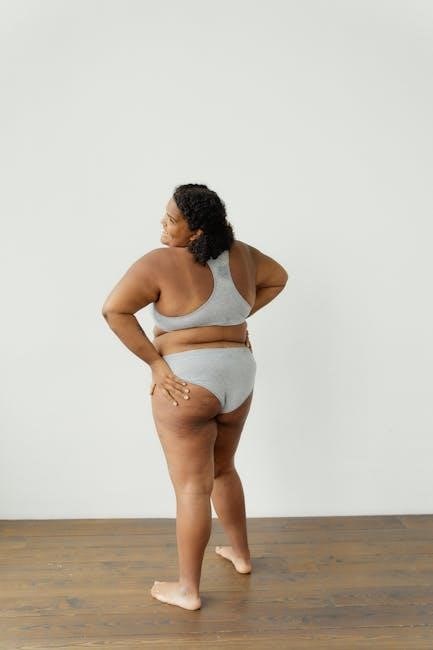
Understanding your body type is crucial for selecting flattering outfits. Common types include hourglass, pear, rectangular, and apple shapes. Measure your bust, waist, and hips to identify yours. Hourglass bodies have similar bust and hip measurements, while pear-shaped individuals carry weight in the hips. Rectangular frames are balanced, and apple shapes store weight in the midsection. Knowing your silhouette helps choose styles that accentuate strengths and balance proportions. For example, tailored blazers and A-line dresses can create harmony, ensuring a polished look tailored to your unique form. This knowledge is key to building a wardrobe that enhances your natural shape.

2.2 Identifying Your Personal Color Palette

Discovering your personal color palette enhances your style by highlighting hues that complement your skin tone, hair, and eyes. Cool tones suit those with pink undertones, while warm tones flatter golden complexions. Neutral tones work for balanced skin. Experiment with colors against your skin to see what brightens your appearance. Consider natural lighting and test shades like blue, green, and red. Create a cohesive wardrobe by focusing on 3-5 core colors that harmonize with your palette. Use a color wheel for inspiration and seek feedback from trusted friends or professionals to refine your choices. This step ensures every outfit elevates your natural beauty.

2.3 Exploring Your Lifestyle and Preferences

Your lifestyle and preferences are key to crafting a wardrobe that suits your daily needs and reflects your personality. Consider your profession, hobbies, and social activities to determine practical yet stylish choices. For instance, a professional setting may require tailored pieces, while an active lifestyle might lean toward versatile, comfortable options. Personal preferences, such as a love for bold patterns or minimalist designs, also play a role. Experiment with styles to identify what resonates with you. Current trends, like Sofia Richie’s timeless combinations, offer inspiration, while events like Miss Universe 2023 showcase diverse, elegant looks. This self-discovery ensures your wardrobe aligns with your unique identity and lifestyle demands.

Essential Wardrobe Items

Essential wardrobe items are timeless must-haves that form the foundation of a versatile closet. Pieces like classic denim, tailored blazers, and quality footwear create endless styling possibilities. Sofia Richie’s jeans and tweed blazer combo exemplifies how these staples can be mixed and matched for chic, effortless looks. Investing in these basics ensures a polished wardrobe that adapts to any occasion or trend.

3.1 Timeless Basics Every Wardrobe Needs

A well-curated wardrobe begins with timeless basics that never go out of style. Essential items include a classic white shirt, well-fitting jeans, a tailored blazer, and a leather jacket. These pieces are versatile and can be mixed-and-matched to create countless outfits. Sofia Richie’s iconic jeans and tweed blazer combo highlights how these basics can be styled for a chic, effortless look. Additionally, a little black dress, quality knitwear, and comfortable yet stylish footwear are must-haves. These foundational items ensure a polished wardrobe that can be easily updated with seasonal trends, making them a smart investment for any fashion-conscious individual.

3.2 Must-Have Outerwear for Every Season

Outerwear is a wardrobe staple that combines functionality and style. For spring and summer, a lightweight trench coat or denim jacket is perfect for layering. In autumn and winter, a tailored leather jacket or a cozy parka becomes essential. Taylor Swift’s chic appearances at NFL games highlight how a stylish coat can elevate any outfit. Investing in a versatile blazer, like Sofia Richie’s tweed option, adds sophistication to both casual and formal looks. Seasonal outerwear not only protects but also enhances your overall style, making it a must-have for every fashion-forward individual. Quality and fit are key to timeless appeal.

3.3 Accessories That Elevate Any Outfit

Accessories are the finishing touches that transform a basic outfit into a polished look. A statement handbag, like those seen at Miss Universe 2023, adds elegance, while bold jewelry draws attention to your personal style. Shoes, whether sleek heels or trendy sneakers, complete the ensemble. Taylor Swift’s chic NFL game appearances showcase how a scarf or hat can add flair. Belts, scarves, and hats are versatile additions that enhance both casual and formal attire. Investing in quality accessories ensures they elevate your look, making them indispensable for creating memorable outfits that reflect your personality and sophistication. They truly are the final touches of great style.

Seasonal Fashion Trends

Seasonal fashion trends keep wardrobes fresh and exciting. Current styles, like Sofia Richie’s jeans and tweed blazer, dominate 2023, while Miss Universe 2023 showcases vibrant, elegant looks.

4.1 Current Trends for Spring/Summer 2024

Spring/Summer 2024 fashion is all about fresh, vibrant styles. Tweed blazers, as seen on Sofia Richie, are reimagined for warmer months, paired with lightweight fabrics and pastel hues. Bold, colorful ensembles, inspired by Miss Universe 2023’s gala, dominate the runways, offering a mix of elegance and playfulness. Statement accessories, like oversized hats and layered necklaces, add a modern touch. Comfortable yet chic, this season’s trends emphasize versatility, blending casual and formal elements seamlessly. Perfect for transitional weather, these looks ensure a stylish and confident wardrobe update.

4.2 Autumn/Winter 2023-2024 Must-Haves

This season, oversized blazers, chunky knits, and leather trenches dominate the fashion scene. Earthy tones like olive green and terracotta are key, paired with rich textures for a cozy, sophisticated look. Ankle boots and sturdy footwear are essentials, while statement accessories, such as oversized scarves and hats, add a polished touch. Layering remains a focal point, with thermal tops and turtlenecks serving as versatile bases. Inspired by the elegance of Miss Universe 2023, bold, structured pieces are making a statement, ensuring a wardrobe that’s both stylish and practical for the colder months.

4.3 How to Transition Outfits Between Seasons

Transitioning outfits between seasons requires versatility and layering. Start with lightweight fabrics like cotton and linen for spring, then add warmer layers such as wool and velvet for autumn. Neutral basics like blazers and jeans can be styled across seasons, while accessories like scarves and boots add seasonal flair. Incorporate earthy tones in autumn and brighter hues in spring. Take inspiration from public figures like Sofia Richie, who effortlessly blends timeless pieces, and events like Miss Universe 2023, where bold, elegant looks reign. This approach ensures a seamless wardrobe evolution, keeping your style fresh and adaptable year-round.

Dressing for Different Occasions

Outfit guides help you navigate formal events, casual outings, and workplace attire with confidence. From Sofia Richie’s chic street style to Taylor Swift’s NFL game looks, inspiration is endless. Miss Universe 2023 showcases bold, elegant ensembles, proving the right outfit can elevate any occasion. These guides ensure your wardrobe is versatile, polished, and perfectly suited for every event, making fashion decisions effortless and enjoyable.

5.1 Formal Events: What to Wear

For formal events, elegance is key. Consider floor-length gowns or tailored suits in luxurious fabrics like silk or velvet. Miss Universe 2023 showcased bold, colorful costumes, proving statement pieces can elevate any look. Pair neutral tones with metallic accents for sophistication. Ensure your outfit fits perfectly and reflects your personal style. Accessories like delicate jewelry or a clutch can complete the ensemble. Confidence and poise are the ultimate accessories, making any formal outfit unforgettable. These guides help you choose ensembles that exude refinement and glamour, ensuring you stand out at any formal occasion.

5.2 Casual Outings: Stylish Yet Comfortable Choices

Casual outings call for outfits that blend style and comfort. Opt for versatile basics like jeans, graphic tees, or oversized sweaters. Sofia Richie’s jeans and tweed blazer combo offers a chic yet relaxed vibe. Sneakers or loafers are perfect for footwear, while a crossbody bag adds practicality. Layering a denim jacket or cardigan over a simple dress creates a trendy look. Accessories like a wide-brimmed hat or statement earrings can elevate your ensemble. The key is to look put-together without sacrificing comfort. Mix and match pieces to create outfits that reflect your personal style while keeping you relaxed and ready for any casual adventure.

5.3 Workplace Attire: Professional and Polished Looks

Workplace attire requires a balance of professionalism and personal style. Tailored blazers, classic button-down shirts, and well-fitted trousers are staples for a polished look. For women, pencil skirts, sheath dresses, and blouses in neutral tones exude confidence. Footwear should be polished, such as loafers or low-heeled pumps. Accessories like simple jewelry or a quality handbag add elegance without distractions. Opt for high-quality fabrics like wool or cotton for a professional finish. Incorporate subtle patterns or colors to reflect your personality while maintaining a professional image. A well-put-together outfit ensures you feel confident and prepared for any workplace environment.

The Art of Accessorizing

Accessories transform outfits, adding personality and polish. Sofia Richie’s jeans and tweed blazer combo, inspired by French style, shows how accessories can elevate looks. Balance and personal flair create memorable ensembles.

6.1 How to Choose the Right Jewelry

Choosing the right jewelry enhances your outfit and reflects your style. Consider the occasion, outfit, and personal preferences. Simplicity works for everyday looks, while bold pieces make statements. Sofia Richie’s timeless style, inspired by French elegance, shows how subtle jewelry can elevate ensembles. Balance metals and textures to avoid clutter. Neutral tones like gold or silver complement most outfits. Layering delicate necklaces or mixing earrings adds depth. Let your jewelry tell your story, whether it’s through classic designs or trendy accents. The right pieces complete your look, ensuring you feel confident and polished.

6.2 Handbags: Picking the Perfect Style

Handbags are more than accessories; they complete an outfit. Choose styles that complement your look and lifestyle. Consider size, shape, and color to match your ensemble. Shoulder bags and crossbody styles are versatile for daily use, while totes are ideal for work. Opt for neutral tones like black or beige for versatility, or bold hues to make a statement. Ensure the bag’s functionality aligns with your needs, such as compartments for organization. Current trends, like structured designs, offer timeless appeal. A well-chosen handbag elevates your style, blending practicality with fashion, ensuring you’re both chic and prepared for any occasion.

6.3 Shoes: The Ultimate Outfit Completers

Shoes are the final touch that can make or break an outfit. They add personality, functionality, and polish to your look. Sneakers bring a casual vibe, while loafers or heels elevate professionalism. Current trends, like sleek designs and bold colors, offer versatility for any style. Consider the occasion and your outfit’s tone when choosing footwear. For example, ankle boots pair perfectly with dresses, while sandals complement summer looks. The right shoes can transform a simple ensemble into a standout statement, ensuring both comfort and confidence. Invest in quality, timeless styles that align with your wardrobe and lifestyle for lasting impact.

Budget-Friendly Fashion Tips

Budget-friendly fashion makes style accessible to everyone. Shop smart by investing in versatile, affordable pieces and upcycle old clothes. Quality over quantity ensures long-term savings and sustainability.

7.1 Shopping Smart: Affordable Fashion Finds

Shopping smart is key to affordable fashion. Look for timeless pieces during sales or discounts, and consider second-hand options. Invest in versatile items like classic denim or a tailored blazer, as seen in Sofia Richie’s chic combinations. Platforms offering budget-friendly finds and DIY upcycling ideas can refresh your wardrobe without breaking the bank. Prioritize quality over quantity to ensure longevity. By mixing high-street and affordable luxury, you can create stylish outfits that align with current trends, such as Taylor Swift’s NFL looks, while staying within your budget. Smart shopping strategies help you stay fashionable without compromising on style or sustainability.

7.2 DIY Fashion: Upcycling Old Clothes

DIY fashion offers a creative way to refresh your wardrobe without spending. Upcycling old clothes transforms forgotten pieces into unique, trendy outfits. Turn vintage jeans into stylish shorts or update a classic blazer with embroidery. Use fabric paint, patches, or embroidery floss to add personal touches. This eco-friendly approach reduces waste and allows you to own one-of-a-kind designs. Platforms like Pinterest and YouTube provide inspiration and step-by-step guides. By giving old clothes a new life, you can stay fashionable while expressing your individuality. DIY projects also help you develop a deeper connection to your wardrobe, making fashion more sustainable and meaningful.

7.3 Investing in Quality Over Quantity

Investing in quality over quantity is a smart approach to building a sustainable wardrobe. High-quality pieces last longer, offering better value and timeless appeal. They often fit better and exude sophistication, making them versatile for multiple occasions. Prioritizing quality reduces the need for frequent purchases, saving money in the long run. Look for durable fabrics, sturdy stitching, and classic designs. This approach also supports sustainable fashion by minimizing waste. By focusing on quality, you create a curated wardrobe that reflects your personal style and stands the test of time, ensuring you always look polished and put-together without unnecessary excess.

Sustainability in Fashion

Sustainability in fashion focuses on eco-friendly practices, reducing waste, and ethical production. It encourages consumers to make conscious choices, supporting brands that prioritize the environment and fair labor practices.

8.1 Eco-Friendly Fabrics to Look For

Eco-friendly fabrics are a cornerstone of sustainable fashion. Look for materials like organic cotton, hemp, and Tencel, which require fewer resources and pesticides. Recycled fabrics, such as polyester made from plastic bottles, also reduce waste. Innovative options like pineapple fiber and mushroom leather offer cruelty-free, biodegradable alternatives. These fabrics not only minimize environmental impact but also promote ethical production practices; By choosing eco-friendly materials, consumers support a healthier planet and a more responsible fashion industry. Sustainable fabrics are a simple yet powerful way to make a positive difference with every outfit.

8.2 Second-Hand Shopping: A Sustainable Choice

Second-hand shopping is a sustainable and stylish way to refresh your wardrobe. By choosing pre-loved items, you reduce textile waste and support eco-friendly fashion. Platforms like ThredUp and Poshmark offer curated selections, making it easier to find quality pieces. This approach not only lowers your environmental footprint but also promotes a circular fashion economy. Additionally, second-hand shopping often uncovers unique, one-of-a-kind items that add character to your outfits. As seen in events like Miss Universe 2023, where contestants wore colorful, elegant costumes, second-hand shopping can inspire creative, glamorous looks while being kind to the planet. Embrace sustainability and affordability with every purchase.

8.3 Building a Capsule Wardrobe

A capsule wardrobe is a curated collection of essential, versatile pieces that can be mixed-and-matched to create multiple outfits. It emphasizes quality over quantity, reducing decision fatigue and waste. Start by identifying timeless items like classic blazers, tailored trousers, and simple tops. Incorporate pieces that fit your lifestyle and personal style, ensuring each item can be paired with several others. For inspiration, consider Sofia Richie’s chic jeans and tweed blazer combo, a perfect example of a capsule wardrobe staple. By focusing on high-quality, adaptable clothing, you can create a sustainable, stylish wardrobe that evolves with you, not trends.

Confidence and authenticity are the ultimate style secrets. Embrace your unique aesthetic, invest in quality, and experiment with trends. Remember, fashion is a journey of self-expression and empowerment, where every outfit tells a story. Stay true to yourself and let your wardrobe reflect your personality, just like Sofia Richie and Taylor Swift inspire with their bold, personal choices. Fashion is not just clothing—it’s a way to unlock your full potential and shine;

9.1 Final Tips for Creating the Perfect Outfit

Creating the perfect outfit begins with balance and confidence. Start with a statement piece, like Sofia Richie’s chic jeans and tweed blazer, and build around it. Ensure proportions are harmonious, pairing loose with fitted silhouettes. Don’t forget the power of accessories—they can elevate even the simplest look. Experiment with colors and textures, but always stay true to your personal style. Remember, fashion is a form of self-expression, so own your choices and wear them with pride. Whether it’s a bold Miss Universe-inspired gown or a casual ensemble, confidence is the ultimate accessory to any outfit.

9.2 Staying Confident and Authentic in Your Style

Confidence and authenticity are the cornerstones of a compelling wardrobe. Embrace your unique style, just as Sofia Richie does with her effortless combinations or Taylor Swift with her bold NFL looks. Fashion is a form of self-expression, so wear what makes you feel empowered. Authenticity shines brighter than trends, allowing you to stand out naturally. Own your choices, whether it’s a chic blazer or a vibrant gown, and remember, true style is about being unapologetically yourself. Confidence is the ultimate accessory that transforms any outfit into a statement of individuality and grace.

pathfinder uniform guide

The Pathfinder Uniform Guide provides comprehensive details on the proper wear and care of the Pathfinder Club uniform, ensuring identity, unity, and respect among members worldwide through standardized attire.

1.1 Overview of the Pathfinder Club and Its Uniform

The Pathfinder Club is a youth organization sponsored by the Seventh-day Adventist Church, fostering spiritual growth, community service, and outdoor activities. The uniform is a symbol of unity and identity, worn during meetings, events, and ceremonies. It consists of a Class A and Class B uniform, each serving different purposes. Class A is formal, featuring specific shirts, pants, and insignia, while Class B is more casual. The uniform reflects the club’s values and prepares members for leadership and service.

1.2 Importance of the Uniform in the Pathfinder Club

The Pathfinder uniform holds great significance as it promotes unity, equality, and professionalism among members. It eliminates social barriers and fosters a sense of belonging. Wearing the uniform during events and ceremonies signifies respect for the club’s traditions and values. It also serves as a visual representation of the club’s identity, making members easily recognizable. Properly wearing the uniform teaches discipline and respect for guidelines, essential for personal and collective growth within the Pathfinder community.

History of the Pathfinder Uniform

The Pathfinder uniform originated from the Seventh-day Adventist Church, evolving over decades to reflect the club’s mission of community service and outdoor activities, embodying unity and tradition.

2.1 Evolution of the Uniform Design

The Pathfinder uniform design has undergone significant changes since its inception, reflecting the club’s growth and mission. Initially, the uniform was simple, emphasizing functionality for outdoor activities. Over the years, it evolved to incorporate more structured elements, such as insignia and specific color schemes, to represent the club’s identity. The design has been refined to balance practicality and aesthetics, ensuring it remains suitable for both formal events and rugged outdoor adventures. Key milestones include the introduction of the Class A and Class B uniforms, which cater to different occasions while maintaining a cohesive look.

2.2 Historical Significance of Uniform Elements

The Pathfinder uniform elements carry deep historical and symbolic meaning, reflecting the club’s values and legacy. The sash, for instance, represents achievements and skills earned by members. The scarf symbolizes unity and shared identity, while pins and patches denote specific accomplishments and roles. These elements are rooted in the club’s founding principles, emphasizing service, leadership, and character development. Each component tells a story, connecting members to the club’s rich history and mission.

Components of the Pathfinder Uniform

The Pathfinder uniform consists of a shirt, pants or skirt, belt, scarf, and sash, each serving a functional and symbolic purpose within the club.

3.1 Class A Uniform Requirements

The Class A uniform includes a white, long-sleeved shirt with epaulets, navy blue trousers or skirt, and a Pathfinder scarf tied neatly. The shirt must be tucked in, with all buttons fastened. The navy blue belt with a Pathfinder buckle is required, along with polished black shoes. Insignia, such as division pins and rank patches, should be properly placed. The uniform must fit well, be clean, and pressed. This attire is reserved for formal events, ceremonies, and special occasions, reflecting professionalism and unity among members. Proper wear demonstrates respect for the club and its traditions.

3.2 Class B Uniform Requirements

The Class B uniform is less formal than Class A and includes a Pathfinder polo shirt in approved colors, paired with navy blue or black shorts or pants. The shirt should be clean and have no excessive designs. Sneakers or sturdy shoes are permitted. Insignia placement is simplified, focusing on essential patches. This uniform is ideal for campouts, outdoor activities, and community services. It maintains club identity while allowing comfort and practicality in active settings. Proper fit and cleanliness are still essential to uphold club standards and appearance.

Occasions for Wearing the Uniform

Pathfinder uniforms are worn during formal events, ceremonies, campouts, outdoor activities, church services, and community events to uphold club standards and unity, ensuring respect and proper representation.

4.1 Formal Events and Ceremonies

Pathfinder uniforms are essential for formal events like induction ceremonies, award presentations, and church services. They symbolize unity, respect, and professionalism. During these occasions, the uniform must be worn correctly, following all guidelines to reflect the club’s values. Proper attire ensures a cohesive appearance, honoring the organization and its traditions. Attention to detail, such as polished shoes and correctly placed insignia, demonstrates commitment and pride in representing the Pathfinder Club.

4.2 Campouts and Outdoor Activities

During campouts and outdoor activities, the Pathfinder uniform is worn to maintain identity and unity. The Class B uniform is typically used for these events, offering comfort and practicality. It includes durable fabrics and relaxed fits suitable for physical activities. While less formal, the uniform still reflects club pride and adherence to guidelines. Proper wear ensures safety and representation, even in casual settings, fostering teamwork and camaraderie among members. Always ensure uniform elements are clean and properly secured for outdoor adventures.

Uniform Maintenance and Care

Regular washing in cold water and gentle ironing maintain the uniform’s appearance. Store in a cool, dry place, using hangers to preserve shape. Ensure cleanliness and proper pressing before storage and events.

5.1 Cleaning and Pressing Guidelines

Uniforms should be washed in cold water using mild detergent to prevent fading. Avoid bleach or harsh chemicals. Dry on a low heat setting or air dry to maintain fabric integrity. Ironing should be done while the fabric is slightly damp, using a steam iron on a low setting. Avoid direct heat on insignia or embroidered elements. Pressing should restore the uniform’s crisp appearance, ensuring all seams and creases are sharp. Regular cleaning and proper pressing maintain professionalism and extend the uniform’s lifespan.

5.2 Proper Storage to Maintain Appearance

Store the Pathfinder uniform in a cool, dry place away from direct sunlight to prevent fading. Hang shirts on wide, padded hangers to maintain shape and avoid wrinkles. Pants can be folded neatly or hung alongside shirts. Accessories should be stored separately in a protective case or cloth bag to prevent loss or damage. Use acid-free tissue paper when folding delicate items to preserve their condition. Cedar blocks or mothballs can be used sparingly to deter insects. Regularly inspect stored items for signs of wear or pests.

Uniform Guidelines for Different Divisions

The Pathfinder uniform varies across divisions, with specific guidelines for youth and adult leaders, ensuring appropriate attire for age and role within the club.

6.1 Youth Uniform Specifications

The youth Pathfinder uniform consists of a navy blue shirt with epaulets, matching pants or skirt, and a navy blue belt. The shirt features the Pathfinder logo and class insignia. Socks are navy or black, and shoes are polished black leather. A scarf and beret are optional but must match club colors. The uniform is designed to fit comfortably while maintaining a neat appearance. Proper sizing ensures functionality and modesty. Accessories like pins and patches denote achievements and roles within the club. Uniform guidelines emphasize unity and equality among members.

6.2 Adult Leader Uniform Specifications

The adult Pathfinder leader uniform mirrors the youth uniform, with slight variations. It includes a navy blue shirt with epaulets, matching pants, and a navy belt. Leaders may wear a tie or scarf in club colors. Footwear remains polished black leather. Insignia and pins denote leadership roles and achievements. The uniform emphasizes professionalism and authority while maintaining consistency with youth members. Proper fit and cleanliness are essential to uphold the club’s standards and serve as a role model for young Pathfinders.

Accessories and Insignia

Accessories like pins, patches, and scarves enhance the Pathfinder uniform, signifying achievements, roles, and club spirit. Proper placement ensures a polished look while maintaining uniformity.

7.1 Types of Insignia and Their Meanings

The Pathfinder uniform features various insignia, including rank pins, achievement patches, and event pins, each symbolizing specific accomplishments or roles. Rank pins denote leadership positions, while achievement patches represent completed honors or activities. Event pins commemorate participation in camps, conferences, or special programs. Division emblems identify membership within the club, fostering unity and identity. These insignia not only personalize the uniform but also reflect the wearer’s contributions and journey within the Pathfinder Club.

7.2 Placement of Pins and Patches

The placement of pins and patches on the Pathfinder uniform is standardized to ensure a neat and professional appearance. Activity patches are typically displayed on the sash, while event pins are placed on the sleeve. Rank pins are positioned on the chest, and division emblems are located on the left chest area. Proper alignment and spacing are essential to maintain uniformity. Following the placement guidelines helps preserve the integrity and visual appeal of the Pathfinder uniform.

Pathfinder Uniform in Different Editions

The Pathfinder uniform has evolved across editions, reflecting updates in design, fabric, and style to meet modern needs while maintaining its traditional identity and purpose.

8.1 Comparison Between 1st and 2nd Edition Uniforms

The 1st edition Pathfinder uniform featured a more traditional design with thicker fabrics and simpler embroidery, while the 2nd edition introduced lightweight, breathable materials and modernized styling. Key differences include updated sleeve designs, improved fit options, and the addition of reflective elements for safety. The 2nd edition also streamlined insignia placement and offered more size variations, enhancing both functionality and aesthetics; These changes reflect evolving needs while maintaining the uniform’s professional and unified appearance.

Cultural Influences on Uniform Design

The Pathfinder uniform reflects cultural diversity, incorporating elements like regional fabrics, colors, and embroidery, ensuring a global yet unified identity that respects local heritage and traditions.

9.1 Regional Variations in Uniform Style

Regional variations in Pathfinder uniforms allow clubs to incorporate local cultural elements while maintaining the global Pathfinder identity. For instance, some regions include traditional fabrics, embroidery, or accessories that reflect their cultural heritage. In Africa, vibrant patterns and colors are often integrated, while in Europe, subtle embroidery may be added. These variations are approved by local conferences to ensure they align with the overall uniform standards, blending cultural expression with the club’s unified appearance and values.

Suppliers and Where to Purchase

Pathfinder uniforms are available from authorized retailers, both in-store and online. Check official club websites or contact local clubs for supplier recommendations and purchasing options.

10.1 Authorized Retailers and Online Stores

Authorized retailers for Pathfinder uniforms include AdventSource, ABC Christian Store, and the Pathfinder Ministry website. These retailers offer a wide range of uniform components, ensuring authenticity and consistency in quality. Purchasing from authorized sellers guarantees that the items meet the club’s standards. When shopping online, verify the retailer’s authenticity to avoid counterfeit products. This ensures you receive genuine, high-quality uniforms that align with the Pathfinder Club’s guidelines.

Cost and Budgeting for the Uniform

Planning a budget for the Pathfinder uniform is essential, as costs vary based on components like shirts, pants, and accessories. Average prices range between $50 to $150.

11.1 Breaking Down the Costs of Uniform Components

The Pathfinder uniform cost varies depending on the components. Shirts typically range from $15 to $30, while pants or skirts cost between $20 to $40. Footwear, such as sturdy hiking shoes, can range from $50 to $100. Accessories like belts, ties, and hats add another $10 to $30. Insignia and patches, essential for completing the look, cost between $5 to $10 each. Overall, a complete uniform can cost between $100 to $250, depending on the quality and source of the items.

Planning ahead and comparing prices from authorized suppliers can help reduce expenses. Purchasing during sales or in bulk with fellow club members may also lower costs. Proper care and maintenance of the uniform can extend its lifespan, making it a worthwhile investment.

Proper Fit and Sizing

A proper fit ensures comfort, functionality, and a neat appearance. Uniforms should be tailored to allow ease of movement while maintaining a professional look. Correct sizing is key.

Always try on uniforms before purchasing, and consider body type variations. Ensure shirts and pants fit snugly but not too tightly, with hemlines at appropriate lengths for a polished look.

12.1 How to Ensure the Best Fit

To ensure the best fit for your Pathfinder uniform, start by taking accurate body measurements, focusing on chest, waist, and inseam. Compare these measurements with the official size chart provided by authorized retailers or the Pathfinder organization. Try on the uniform if possible, especially for online purchases, to confirm the fit; Consider the fabric type, as some materials may stretch or drape differently. If necessary, seek professional alterations to tailor the uniform to your body, ensuring comfort and a neat appearance. Be mindful of hemlines and sleeve lengths, ensuring they align with Pathfinder guidelines for a polished look. Additionally, pay attention to shoe fit, as they are part of the uniform and must be comfortable and appropriate for various activities. By combining these steps, you can achieve a uniform that is both functional and professional.

Uniform Etiquette and Respect

The Pathfinder uniform represents commitment and professionalism. Always wear it with pride, ensuring cleanliness and proper alignment of insignia. Respect the uniform by avoiding casual wear and maintaining its dignity through proper handling and storage; Adhere to guidelines for salutes and conduct, reflecting the values of the Pathfinder Club in every setting.

13.1 Guidelines for Wearing the Uniform Correctly

The Pathfinder uniform must be worn with pride and respect. Ensure a proper fit, avoiding overly tight or loose clothing. Always keep the uniform clean and pressed, with insignia correctly placed. Wear the uniform uprightly, avoiding slouching or casual postures. Remove headwear indoors or during ceremonies; Keep the uniform free from unauthorized patches or alterations. By adhering to these guidelines, Pathfinders maintain unity and professionalism, reflecting the club’s values in every setting.

Common Mistakes to Avoid

Common mistakes include improper sizing, misplacing insignia, and poor uniform maintenance. Avoid wrinkled or dirty uniforms, and ensure all elements align with official guidelines.

14.1 Frequently Seen Errors in Uniform Wear

Common errors include incorrect placement of insignia, improper fitting uniforms, and failure to adhere to cleanliness standards. Many Pathfinders mistakenly mix Class A and Class B elements or wear unauthorized accessories. Additionally, some forget to remove temporary patches after events or neglect to properly secure pins, causing them to fall off. Ensuring uniforms are pressed, clean, and correctly assembled is crucial for maintaining professionalism and respect for the club’s traditions. Always refer to official guidelines to avoid these pitfalls.

15.1 Final Thoughts on the Pathfinder Uniform

The Pathfinder uniform is more than just attire; it represents unity, identity, and shared values. Wearing it correctly fosters pride and a sense of belonging. Each element, from insignia to fabric, holds purpose and meaning. Proper care and attention to detail reflect respect for the club’s traditions. By adhering to guidelines, Pathfinders honor their commitment to the organization and its mission. The uniform is a symbol of dedication, teamwork, and faith, inspiring members to uphold its legacy with integrity and enthusiasm.

guiding light recovery

Guiding Light Recovery is an intensive addiction rehab program designed to give men structure and the opportunity to engage in change.

1.1 Definition and Purpose

Guiding Light Recovery is an intensive addiction rehab program designed to provide men with a structured environment to overcome addiction. Its primary purpose is to empower individuals through evidence-based methods‚ holistic care‚ and a supportive community. The program focuses on addressing the root causes of addiction while fostering personal growth and long-term recovery. By offering tailored treatment plans‚ Guiding Light Recovery aims to help participants achieve sobriety and reintegrate into society. The program emphasizes the importance of mental‚ emotional‚ and physical well-being‚ creating a foundation for sustainable change. Its goal is to guide individuals toward a brighter‚ healthier future‚ free from the grip of addiction.

1.2 Overview of the Program

Guiding Light Recovery offers a comprehensive and structured approach to addiction treatment‚ designed to address the physical‚ emotional‚ and psychological aspects of recovery. The program provides a safe and supportive environment‚ combining evidence-based therapies with holistic practices to foster lasting change. Participants engage in personalized treatment plans tailored to their specific needs‚ which may include detoxification‚ behavioral therapy‚ and counseling. The program emphasizes the importance of community support and peer interaction‚ encouraging accountability and camaraderie among participants. By focusing on the root causes of addiction and equipping individuals with practical tools for sobriety‚ Guiding Light Recovery aims to empower men to rebuild their lives and achieve long-term recovery. The program’s structured yet compassionate approach ensures a foundation for sustainable growth and transformation.

Understanding Addiction and Recovery

Addiction is a complex condition involving physical‚ emotional‚ and psychological dependence. Recovery requires addressing underlying issues‚ building coping strategies‚ and fostering resilience through structured support and guidance.

2.1 The Science Behind Addiction

Addiction is a chronic brain disorder characterized by compulsive substance use despite negative consequences. It alters brain chemistry‚ particularly dopamine pathways linked to reward and pleasure. Over time‚ repeated exposure to substances rewires the brain‚ leading to dependence. Genetic predisposition‚ environmental factors‚ and mental health conditions can increase vulnerability. The brain’s reward system is hijacked‚ creating cravings and tolerance. Understanding these biological and psychological mechanisms is crucial for effective recovery strategies.

2.2 The Importance of Structured Programs

Structured programs are essential for effective recovery‚ providing a clear framework that helps individuals stay on track. These programs offer a daily routine‚ accountability‚ and measurable goals‚ which are critical for breaking the cycle of addiction. They combine evidence-based therapies with practical tools‚ ensuring a holistic approach to healing. Structure helps individuals rebuild self-discipline and develop healthy habits‚ reducing the risk of relapse. Guided programs also foster a sense of community and support‚ which are vital for long-term success. By addressing both the physical and psychological aspects of addiction‚ structured programs create a solid foundation for sustainable recovery.

2.3 The Role of Psychology in Recovery

Psychology plays a crucial role in recovery by addressing the mental and emotional aspects of addiction. It helps individuals understand the underlying causes of their behavior‚ such as trauma‚ stress‚ or low self-esteem. Through therapies like Cognitive-Behavioral Therapy (CBT) and Dialectical Behavior Therapy (DBT)‚ individuals learn to identify and change negative thought patterns and behaviors. Psychology also equips them with coping strategies to manage cravings and triggers. Additionally‚ it fosters self-awareness and personal growth‚ enabling individuals to rebuild their sense of identity and purpose. By addressing the psychological roots of addiction‚ recovery programs empower individuals to achieve lasting mental and emotional healing‚ which is essential for sustained sobriety and overall well-being.

The Recovery Process

Guiding Light Recovery offers a structured approach to addiction recovery‚ including assessment‚ detox‚ therapy‚ and relapse prevention‚ providing a supportive environment for individuals to heal and rebuild their lives.

3.1 Initial Assessment and Diagnosis

The recovery process at Guiding Light begins with a comprehensive initial assessment and diagnosis. This critical first step involves evaluating the individual’s physical‚ emotional‚ and psychological state to identify the severity of addiction and any underlying issues. Trained professionals use standardized tools and interviews to gather detailed information about the person’s medical history‚ substance use patterns‚ and mental health status. This assessment helps create a personalized treatment plan tailored to the individual’s needs. By understanding the root causes of addiction‚ the program can address not just the symptoms but also the underlying factors contributing to the addiction. This thorough approach ensures that the treatment is effective and targeted‚ setting the foundation for a successful recovery journey.

3.2 Detoxification and Stabilization

Detoxification and stabilization are critical phases in the recovery process at Guiding Light. This step focuses on safely removing toxins from the body while managing withdrawal symptoms. Medical professionals closely monitor individuals to ensure their safety and comfort during this transition. The program emphasizes a structured approach to detox‚ incorporating evidence-based methods to minimize discomfort and prevent complications. Stabilization involves helping individuals regain physical and emotional balance‚ preparing them for further treatment. This phase is essential for building a strong foundation for long-term recovery‚ as it addresses the immediate physical effects of addiction and readies the person to engage in therapeutic activities. The supportive environment and expert care during detoxification and stabilization set the stage for successful progression through the recovery journey.

3.3 Behavioral Therapy and Counseling

Behavioral therapy and counseling are cornerstone components of the recovery process at Guiding Light. These sessions are designed to help individuals identify and address the underlying causes of their addiction‚ as well as develop healthier coping mechanisms. Through individual and group counseling‚ participants gain insights into their behaviors and learn to manage triggers effectively. Cognitive-behavioral techniques are often employed to reshape thought patterns and promote positive lifestyle changes. Additionally‚ counseling provides a safe space for emotional healing and personal growth; The program emphasizes the importance of accountability and self-awareness‚ equipping individuals with tools to maintain sobriety and improve their overall well-being. By fostering a supportive and non-judgmental environment‚ Guiding Light helps participants build a strong foundation for lasting recovery.

3.4 Long-Term Relapse Prevention

Guiding Light Recovery places a strong emphasis on long-term relapse prevention to ensure sustained sobriety. The program integrates evidence-based strategies to help individuals maintain their progress beyond the initial recovery phase. Participants are equipped with practical tools such as coping skills‚ relapse triggers identification‚ and stress management techniques. Regular follow-up sessions and ongoing support networks are established to provide continued guidance. The program also encourages participation in community-based support groups to reinforce accountability and fellowship. By addressing both emotional and environmental factors‚ Guiding Light equips individuals with a comprehensive plan to navigate challenges and avoid relapse. This proactive approach fosters resilience and empowers individuals to lead fulfilling lives free from addiction‚ ensuring long-term success and personal growth.

Types of Therapies Used

Guiding Light Recovery employs a diverse range of therapeutic approaches‚ including Cognitive-Behavioral Therapy (CBT)‚ Dialectical Behavior Therapy (DBT)‚ and Holistic Alternative Therapies.

4.1 Cognitive-Behavioral Therapy (CBT)

Cognitive-Behavioral Therapy (CBT) is a cornerstone of Guiding Light Recovery‚ focusing on identifying and modifying negative thought patterns and behaviors. This evidence-based approach helps individuals understand how their thoughts influence emotions and actions‚ particularly in relation to addiction. Through structured sessions‚ participants learn practical techniques to challenge and replace unhealthy beliefs with constructive ones. CBT also equips individuals with coping strategies to manage triggers and stress‚ reducing the risk of relapse. By addressing both immediate and underlying issues‚ CBT plays a critical role in fostering long-term recovery and personal growth. Its emphasis on self-awareness and skill-building makes it a powerful tool for sustainable change.

4.2 Dialectical Behavior Therapy (DBT)

Dialectical Behavior Therapy (DBT) is a highly effective approach integrated into Guiding Light Recovery‚ focusing on emotional regulation‚ distress tolerance‚ and interpersonal skills. Developed by Marsha Linehan‚ DBT helps individuals manage intense emotions and reduce self-destructive behaviors. The therapy emphasizes four key modules: mindfulness‚ distress tolerance‚ emotional regulation‚ and interpersonal effectiveness. Participants learn to observe their emotions without judgment‚ cope with crises without escalating‚ and communicate effectively. DBT is particularly beneficial for those struggling with co-occurring mental health issues‚ as it addresses underlying emotional dysregulation. By fostering self-awareness and practical skills‚ DBT empowers individuals to navigate life’s challenges with resilience‚ complementing the broader recovery goals of Guiding Light Recovery. Its structured yet compassionate approach makes it a vital component of the program.

4.3 Holistic and Alternative Therapies

Holistic and alternative therapies play a crucial role in Guiding Light Recovery‚ offering a comprehensive approach to healing. These therapies focus on addressing the whole person—mind‚ body‚ and spirit—to promote balanced well-being. Techniques such as yoga‚ meditation‚ and art therapy are utilized to help individuals express emotions and manage stress. Nutritional counseling and physical health programs are also integrated to restore bodily health and energy. These methods complement traditional therapies by providing alternative ways to cope with triggers and emotions. For example‚ mindfulness practices‚ like those inspired by low heart-rate training‚ encourage self-awareness and emotional regulation. By incorporating these therapies‚ Guiding Light Recovery creates a supportive environment that fosters resilience and long-term recovery. This holistic approach ensures that each individual’s unique needs are met‚ enhancing their journey toward sustainable sobriety and personal growth.

The Role of Support Systems

Support systems are vital in recovery‚ providing a community that fosters accountability and encouragement‚ helping individuals stay committed to their journey and overcome challenges together.

5.1 Peer Support and Group Therapy

Peer support and group therapy are cornerstone elements of recovery‚ fostering a sense of community and shared experience. Individuals in recovery benefit from connecting with others who understand their struggles‚ creating a network of accountability and encouragement. Group therapy sessions provide a safe space for open dialogue‚ allowing participants to share their journeys‚ challenges‚ and successes. This collective environment helps reduce feelings of isolation and builds resilience. Through guided discussions and interactive exercises‚ group therapy equips individuals with practical tools to navigate recovery. The camaraderie and mutual support within these groups play a crucial role in sustaining motivation and promoting long-term sobriety. This collaborative approach strengthens the foundation for personal growth and lasting change.

5.2 Family Involvement in Recovery

Family involvement is crucial in the recovery process‚ as it provides emotional support and strengthens the individual’s commitment to sobriety. Guiding Light Recovery encourages family participation through counseling sessions and educational programs‚ helping loved ones understand addiction and their role in recovery. Family therapy addresses communication gaps and rebuilds trust‚ fostering a supportive home environment. Involving family members not only benefits the individual but also helps the family heal from the impact of addiction. By empowering families with knowledge and tools‚ they become active partners in the recovery journey. This collaborative approach ensures a stronger support system‚ promoting long-term success and healthier relationships. Family involvement is a vital component of a comprehensive recovery plan.

5.3 Mentorship Programs

Mentorship programs play a pivotal role in recovery by pairing individuals with experienced mentors who provide guidance and support. These mentors share their own recovery journeys‚ offering valuable insights and strategies for maintaining sobriety. The mentorship relationship fosters accountability and encouragement‚ helping individuals navigate challenges and stay motivated. Mentors also assist in setting realistic goals and celebrating milestones‚ reinforcing progress. This supportive dynamic not only aids in personal growth but also strengthens the sense of community within the recovery program. By leveraging the wisdom of those who have successfully overcome addiction‚ mentorship programs empower individuals to build resilient foundations for long-term recovery. The guidance and camaraderie provided by mentors are essential components of a holistic recovery approach.

Lifestyle Changes for Recovery

Lifestyle changes are crucial for sustainable recovery‚ emphasizing healthy routines‚ positive habits‚ and community integration to support long-term well-being and personal growth.

6.1 Nutrition and Physical Health

Nutrition and physical health play a vital role in recovery‚ providing the body with essential nutrients to heal and rebuild. A balanced diet rich in vitamins‚ minerals‚ and proteins supports physical and mental restoration. Proper nutrition helps repair damage caused by addiction‚ boosting energy levels and overall well-being. Physical activity‚ such as jogging or yoga‚ enhances recovery by improving mood and reducing stress. Exercise releases endorphins‚ which naturally uplift spirits and promote long-term health. Guiding Light Recovery emphasizes the importance of these lifestyle changes‚ encouraging participants to adopt healthy routines that foster resilience and sustainability in their journey toward sobriety.

6.2 Mindfulness and Meditation Practices

Mindfulness and meditation are integral to the recovery process‚ offering individuals tools to manage stress‚ anxiety‚ and cravings. These practices foster a sense of calm and clarity‚ helping participants stay grounded in the present moment. Regular mindfulness exercises can reduce emotional reactivity and improve decision-making‚ which are critical for long-term sobriety; Meditation also enhances self-awareness‚ allowing individuals to identify and address triggers more effectively. By incorporating these techniques‚ Guiding Light Recovery encourages a holistic approach to healing‚ addressing both the mind and body. These practices not only support emotional regulation but also promote a deeper connection to oneself‚ creating a strong foundation for sustained recovery and personal growth.

Challenges in Recovery

Recovery involves overcoming triggers‚ managing mental health comorbidities‚ and maintaining long-term sobriety‚ requiring resilience‚ support‚ and a commitment to continuous personal growth and self-care practices.

7.1 Overcoming Triggers

Overcoming triggers is a critical component of recovery‚ as these stimuli can lead to relapse if not managed effectively. Triggers can be emotional‚ environmental‚ or social‚ often tied to past experiences. Identifying personal triggers is the first step‚ followed by developing coping mechanisms to address them. Techniques such as mindfulness‚ stress management‚ and cognitive restructuring are commonly employed. Support systems‚ including therapy and peer groups‚ play a vital role in helping individuals navigate these challenges. By understanding and preparing for triggers‚ individuals can build resilience and reduce the risk of relapse. Guiding Light Recovery emphasizes the importance of structured programs to address triggers‚ ensuring a comprehensive approach to long-term recovery and sobriety.

7.2 Managing Mental Health Comorbidities

Managing mental health comorbidities is essential for effective recovery‚ as many individuals in addiction recovery often experience co-occurring mental health conditions. These can include depression‚ anxiety‚ or trauma‚ which may exacerbate addiction if left untreated. Guiding Light Recovery emphasizes an integrated approach‚ addressing both addiction and mental health simultaneously. This dual approach ensures that underlying issues are resolved‚ reducing the risk of relapse. Techniques such as cognitive-behavioral therapy (CBT) and dialectical behavior therapy (DBT) are commonly used to manage these comorbidities. Medications‚ when necessary‚ are also incorporated to stabilize mental health. The program’s structured environment provides a safe space for individuals to heal holistically‚ fostering long-term recovery and emotional well-being.

Success Stories and Case Studies

Guiding Light Recovery shares inspiring journeys of recovery‚ highlighting real-life experiences and lessons learned‚ offering hope and insights to those seeking transformation and healing.

8.1 Inspiring Journeys of Recovery

Guiding Light Recovery showcases heartfelt stories of individuals who overcame addiction‚ highlighting their resilience and transformation; These journeys demonstrate the program’s effectiveness‚ offering hope to others seeking recovery. Through personalized approaches and supportive environments‚ participants achieve lasting change‚ proving recovery is possible. Their stories inspire and motivate‚ illustrating the power of structured programs and compassionate care in overcoming addiction. Each narrative is unique‚ yet collectively‚ they form a testament to the program’s impact and the strength of the human spirit. These inspiring journeys remind us that recovery is not just possible but transformative‚ leading to fulfilling‚ purpose-driven lives.

8.2 Lessons Learned from Real-Life Experiences

Real-life experiences from Guiding Light Recovery reveal valuable lessons about the recovery process. Participants often emphasize the importance of recognizing personal triggers and developing healthy coping mechanisms. Many credit the program’s structured environment and supportive community for their success. A key takeaway is the necessity of addressing underlying mental health issues alongside addiction. Additionally‚ the role of accountability and consistent effort in sustaining long-term recovery is highlighted. These lessons underscore the importance of personalized approaches and the need for ongoing support systems. By sharing these insights‚ individuals inspire others to embrace the journey toward healing and self-improvement‚ demonstrating that recovery is a lifelong commitment requiring dedication and resilience. These real-life experiences serve as a roadmap for others navigating similar challenges.

The Future of Recovery Programs

Guiding Light Recovery is evolving with innovative treatments‚ integrating technology for personalized care and sustainable recovery solutions.

9.1 Innovations in Treatment Methods

Innovations in treatment methods are transforming recovery programs like Guiding Light Recovery. AI-driven assessments now enable personalized treatment plans‚ while virtual reality (VR) exposure therapy helps patients confront triggers in controlled environments. Holistic approaches‚ such as mindfulness and meditation‚ are being integrated with traditional therapies for comprehensive care. Telehealth platforms are expanding access to counseling and support groups‚ ensuring continuity of care beyond inpatient programs. Additionally‚ wearable health monitors track physical and emotional well-being‚ providing real-time data to optimize recovery strategies. These advancements aim to address addiction’s complexity and improve long-term success rates‚ ensuring recovery is more accessible‚ effective‚ and sustainable for all participants.

9.2 The Role of Technology in Recovery

Technology plays a pivotal role in modern recovery programs like Guiding Light Recovery. Mobile apps now track progress‚ offering reminders for medications and therapy sessions. Telehealth platforms provide remote access to counseling‚ reducing barriers for those in remote areas. Wearable devices monitor physical health‚ such as heart rate and sleep patterns‚ aiding in holistic recovery. AI-powered chatbots offer 24/7 support‚ assisting with cravings and emotional challenges. Virtual reality (VR) is being used to simulate real-life scenarios‚ helping patients practice coping mechanisms. These tools enhance engagement‚ accessibility‚ and personalized care. By leveraging technology‚ recovery programs can address diverse needs more effectively‚ fostering long-term success and empowerment for individuals overcoming addiction.

sierra vista tv guide

The Sierra Vista TV Guide is a comprehensive resource for viewers in Sierra Vista‚ Arizona‚ offering detailed listings for broadcast‚ cable‚ satellite‚ and streaming services‚ helping users navigate diverse programming options and stay informed about local events and favorite shows.

1.1 Overview of Sierra Vista TV Listings

The Sierra Vista TV Listings provide a detailed schedule of television programming available to viewers in Sierra Vista‚ Arizona. Whether you prefer over-the-air broadcasts‚ cable TV‚ satellite TV‚ or streaming services‚ the listings cover a wide range of channels and genres. From major networks like ABC‚ CBS‚ NBC‚ and FOX to popular cable channels such as ESPN‚ AMC‚ Disney‚ and Freeform‚ viewers can easily find their favorite shows. The listings also include local programming‚ sports‚ movies‚ and family-friendly content‚ ensuring there’s something for everyone. This resource helps residents and visitors stay informed and entertained with up-to-date TV schedules.

1.2 Importance of TV Guides for Viewers

TV guides are essential for viewers in Sierra Vista‚ providing a clear and organized way to navigate through numerous channels and programs. They help users discover new shows‚ movies‚ and events while ensuring they never miss their favorites. The Sierra Vista TV Guide offers detailed listings for broadcast‚ cable‚ satellite‚ and streaming services‚ catering to diverse viewer preferences. By simplifying the process of finding content‚ TV guides save time and enhance the overall viewing experience. They are a valuable tool for staying informed about local programming‚ sports‚ and entertainment options in the area.

1.3 Key Features of Sierra Vista TV Guide

The Sierra Vista TV Guide offers several key features that enhance the viewing experience. It provides detailed listings for broadcast‚ cable‚ satellite‚ and streaming services‚ ensuring users can easily find their favorite shows. The guide includes channel lineups‚ HD channel availability‚ and local programming highlights. Additionally‚ it features troubleshooting tips for TV reception issues and a TV antenna map specific to Sierra Vista. These tools help viewers optimize their setup and access a wide range of content seamlessly. The guide also covers FAQs about premium channels and local events‚ making it a one-stop resource for television enthusiasts in the area.

Over-the-Air TV Listings in Sierra Vista

Over-the-air TV listings in Sierra Vista offer free access to major networks like NBC‚ ABC‚ CBS‚ and FOX‚ providing a variety of channels without subscription costs.

2.1 Major Broadcast Networks Available

In Sierra Vista‚ major broadcast networks like NBC‚ ABC‚ CBS‚ and FOX are available over-the-air‚ offering a wide range of programming‚ including news‚ sports‚ and prime-time shows. These networks provide free access to popular content without the need for a cable or satellite subscription. Viewers can enjoy high-quality entertainment‚ local news‚ and live events by tuning into these channels. The availability of these networks ensures that residents in Sierra Vista can stay informed and entertained with diverse programming options.

2.2 How to Access Free Over-the-Air Channels

To access free over-the-air channels in Sierra Vista‚ viewers can use an antenna to receive signals from local broadcast towers. Start by installing a suitable antenna‚ either indoor or outdoor‚ depending on your location and signal strength. Once the antenna is set up‚ tune your TV to scan for available channels. This process typically takes a few minutes and allows you to access major networks like NBC‚ ABC‚ CBS‚ and FOX‚ as well as additional sub-channels. Over-the-air TV provides free‚ high-quality HD programming‚ making it a cost-effective option for viewers.

2.3 Best Antennas for Sierra Vista Viewers

The best antennas for Sierra Vista viewers are those that provide strong signal reception for over-the-air channels. Indoor antennas like the HD Frequency Cable or Amazon Basics HDTV Antenna are ideal for urban areas‚ offering compact designs and ease of installation. For rural or fringe areas‚ outdoor antennas such as the Winegard HD7694P or Channel Master CM-4228HD are recommended for their superior range and durability. These antennas ensure access to HD channels‚ including major networks and sub-channels‚ providing high-quality‚ free entertainment for viewers in Sierra Vista.

Cable TV Listings in Sierra Vista

Cox Contour TV is a leading provider in Sierra Vista‚ offering a wide range of channels‚ including popular networks like CBS‚ Fox News‚ and AMC. Viewers can explore diverse programming options‚ from news to entertainment‚ with the convenience of a comprehensive channel guide. Premium channels and customizable plans are also available‚ ensuring a tailored viewing experience for cable subscribers in the area.

3.1 Cox Contour TV Channel Lineup

Cox Contour TV in Sierra Vista offers an extensive channel lineup‚ catering to diverse viewer preferences. Subscribers can enjoy popular networks such as CBS‚ Fox News‚ and AMC‚ along with family-friendly options like Disney Channel and Freeform. The lineup also includes a variety of entertainment‚ sports‚ and movie channels‚ ensuring a broad range of programming choices. With HD channel availability‚ viewers can experience high-quality visuals. Additionally‚ Cox provides options for premium channels like HBO Max‚ enhancing the viewing experience. The customizable plans allow users to tailor their channel selection‚ making Cox Contour TV a versatile choice for cable viewers in Sierra Vista.

3.2 Popular Cable Channels in Sierra Vista

In Sierra Vista‚ popular cable channels offer a wide range of entertainment‚ news‚ and educational content. Channels like ESPN‚ CNN‚ and HGTV are favorites among viewers‚ providing sports‚ news‚ and lifestyle programming. Additionally‚ Food Network‚ Discovery Channel‚ and TLC cater to audiences interested in cooking‚ documentaries‚ and reality TV. These channels ensure diverse programming options‚ satisfying various viewer preferences. With a focus on quality and variety‚ they remain essential for cable subscribers in Sierra Vista‚ offering something for everyone;

3.3 Cox TV Guide for Top 50 Channels

The Cox TV Guide for Sierra Vista features a curated list of the top 50 channels‚ ensuring a diverse and engaging viewing experience. Popular channels like CBS‚ Fox News‚ and AMC are included‚ along with family-friendly options such as Disney Channel and Freeform. Sports enthusiasts can enjoy ESPN‚ while movie buffs can explore HBO Max and Cinemax. The guide also highlights HD channel availability‚ providing crystal-clear visuals. With a focus on variety‚ the Cox TV Guide caters to all audiences‚ making it easy to find something for everyone.

Satellite TV Listings in Sierra Vista

Satellite TV in Sierra Vista offers a wide range of channels through providers like DirecTV and Dish Network‚ providing access to HD programming and diverse viewing options.

4.1 DirecTV Channel Options

DirecTV offers a diverse range of channels in Sierra Vista‚ including popular networks like CBS‚ Fox News‚ and AMC. Subscribers can access a variety of entertainment‚ sports‚ and news channels‚ with options to add premium services like HBO Max. DirecTV’s lineup also includes family-friendly content‚ movies‚ and live events‚ catering to different viewer preferences. With a focus on HD programming‚ DirecTV ensures high-quality viewing experiences for its customers in Sierra Vista.

4.2 Dish Network Programming

Dish Network offers a wide variety of channels in Sierra Vista‚ including popular networks like CBS‚ Fox News‚ and AMC. The service provides access to entertainment‚ sports‚ and news channels‚ with options for premium content such as HBO Max. Dish Network also includes family-friendly programming‚ movies‚ and live events‚ catering to diverse viewer preferences. With a focus on HD quality‚ Dish Network ensures clear and high-definition viewing experiences. Additionally‚ the service allows for customizable packages‚ making it a flexible choice for viewers in Sierra Vista seeking tailored programming options.

4.3 Comparison of Satellite TV Providers

When comparing satellite TV providers in Sierra Vista‚ DirecTV and Dish Network stand out as top options. DirecTV is known for its extensive sports coverage‚ including exclusive NFL Sunday Ticket‚ while Dish Network offers flexible pricing and international channel options. Both providers deliver HD-quality programming‚ with DirecTV emphasizing premium channels like HBO and Dish Network focusing on family-friendly content.DirecTV often includes more channels in base packages‚ while Dish Network provides advanced DVR capabilities. Choosing between them depends on individual preferences for sports‚ entertainment‚ or budget-friendly plans.

Streaming Services in Sierra Vista

Streaming services in Sierra Vista offer a variety of options‚ including fubo‚ Hulu‚ and YouTube TV‚ providing live TV‚ on-demand content‚ and local channel access for diverse viewer preferences.

5.1 Popular Streaming Platforms

Sierra Vista viewers can access a variety of streaming platforms‚ including fubo‚ Hulu‚ YouTube TV‚ and Netflix. These services offer live TV‚ on-demand content‚ and exclusive series. fubo is ideal for sports fans‚ while Hulu and Netflix focus on original programming. YouTube TV provides local channels and cable networks. Additionally‚ Amazon Prime Video and Disney+ are popular for their unique content libraries. These platforms cater to diverse preferences‚ ensuring viewers can enjoy their favorite shows and movies seamlessly. HD streaming and user-friendly interfaces enhance the overall viewing experience in Sierra Vista.

5.2 Live TV Streaming Options

Sierra Vista viewers can enjoy live TV streaming through platforms like fubo‚ Hulu with Live TV‚ and YouTube TV. These services provide access to local channels‚ sports‚ and cable networks. fubo is particularly popular for its extensive sports coverage‚ including live events. Hulu and YouTube TV offer a mix of entertainment‚ news‚ and on-demand content. Additionally‚ Sling TV and AT&T TV Now are affordable options for streaming live TV. These platforms ensure viewers can watch their favorite shows and events in real-time without traditional cable or satellite subscriptions‚ offering flexibility and convenience.

5.3 Streaming Services with Local Channels

Streaming services in Sierra Vista offer access to local channels‚ ensuring viewers stay connected to community events and news. Platforms like fuboTV‚ Hulu with Live TV‚ and YouTube TV provide live access to stations such as CBS (KOLD) and Fox. These services often include local programming‚ sports‚ and weather updates. Additionally‚ DirecTV Stream and Sling TV offer customizable options for viewers seeking specific local content. While some services may require additional fees for local channel access‚ they provide a flexible alternative to traditional cable or satellite TV‚ ensuring seamless viewing of regional programming.

How to Choose the Right TV Service Provider

Selecting the right TV provider in Sierra Vista involves evaluating your viewing needs‚ comparing channel lineups‚ pricing‚ and features like HD quality and on-demand options.

6.1 Factors to Consider When Selecting a Provider

When choosing a TV service provider in Sierra Vista‚ consider factors like channel availability‚ pricing‚ and contract terms. Assess the range of networks‚ including local stations and premium options. Check for HD and on-demand features. Evaluate customer service and reliability. Compare streaming capabilities and device compatibility. Consider bundle options with internet or phone services. Look for promotional offers and long-term value. Ensure the provider covers your favorite shows‚ sports‚ and movies. Read reviews to gauge customer satisfaction. Finally‚ verify the provider’s coverage and signal strength in your area to ensure optimal viewing experience.

6.2 Comparison of TV Service Providers

Comparing TV service providers in Sierra Vista involves evaluating their channel lineups‚ pricing‚ and features. Cox Contour TV offers a wide range of channels‚ including CBS‚ Fox News‚ and AMC‚ with HD options. DirecTV and Dish Network provide satellite TV with diverse programming‚ including sports and premium channels. Streaming services like fuboTV offer live TV without contracts. Each provider has unique strengths: Cox for local coverage‚ DirecTV for sports packages‚ Dish for DVR capabilities‚ and streaming for flexibility. Choose based on your viewing habits‚ budget‚ and preferred features to ensure the best fit for your entertainment needs.

6.3 Tips for Getting the Best Value

To maximize value‚ compare TV providers’ channel lineups‚ prices‚ and features. Assess your viewing habits to choose the right package—streaming for flexibility‚ satellite for sports‚ or cable for local coverage. Check for bundle deals and promotional offers‚ and negotiate contract terms. Consider HD and premium channel options if needed. Read reviews and ask locals for recommendations to ensure the best fit for your budget and preferences‚ ensuring you get the most out of your TV service without unnecessary costs.

TV Channel Lineups in Sierra Vista

Sierra Vista offers a variety of TV channels‚ including CBS (KOLD 13)‚ Fox News (33)‚ and AMC (41). Premium channels like HBO Max are available.

7.1 CBS ─ KOLD Channel 13

CBS ─ KOLD Channel 13 is a prominent broadcast network in Sierra Vista‚ offering a diverse range of programming. Viewers can enjoy popular TV shows‚ local news‚ and sports. The channel features hit dramas‚ comedies‚ and live events‚ including NFL games. KOLD Channel 13 is accessible via over-the-air antennas‚ cable‚ or satellite services‚ ensuring wide availability. It is a key source for both entertainment and community updates‚ making it a staple for many households in the region.

7.2 Fox News Channel 33

Fox News Channel 33 is a popular destination for news‚ sports‚ and entertainment in Sierra Vista. Viewers enjoy a mix of local and national programming‚ including breaking news‚ weather updates‚ and live sports events. The channel is widely available through over-the-air antennas‚ cable providers like Cox‚ and satellite services such as DirecTV. Fox News Channel 33 is a go-to source for timely updates and engaging content‚ catering to a broad audience in the Sierra Vista area.

7.3 AMC Channel 41

AMC Channel 41 is a favorite among viewers in Sierra Vista‚ offering a diverse lineup of popular TV series‚ movies‚ and original programming. Known for hits like The Walking Dead and Breaking Bad‚ AMC provides engaging entertainment for all audiences. The channel is accessible via over-the-air antennas‚ Cox cable‚ and satellite providers like DirecTV and Dish Network. With a mix of critically acclaimed dramas and thrilling movies‚ AMC Channel 41 remains a top choice for viewers seeking high-quality entertainment in Sierra Vista.

FAQs About Sierra Vista TV Guide

Frequently Asked Questions about the Sierra Vista TV Guide address common inquiries‚ such as channel availability‚ HD access‚ and local programming options.

8.1 Are Premium Channels Available?

Premium channels like HBO Max‚ Showtime‚ and Starz are available to viewers in Sierra Vista through select providers. Cox Communications offers these premium channels as add-ons to their cable and contour TV packages‚ giving viewers access to exclusive content. Subscribers can enjoy popular series‚ movies‚ and original programming by upgrading their plans. Additionally‚ satellite providers like DirecTV and Dish Network also offer premium channel options. Viewers can check with their service provider for specific offerings and pricing details to enhance their viewing experience with premium content.

8.2 How to Access HD Channels

Viewers in Sierra Vista can access HD channels through various providers. Over-the-air HD channels are available for free with a proper antenna‚ offering crystal-clear resolution. Cable providers like Cox Communications include HD channels in their plans‚ often requiring an HD-compatible cable box. Satellite providers such as DirecTV and Dish Network also offer HD programming as part of their packages. To ensure optimal HD viewing‚ viewers should check their provider’s HD channel lineup and verify their equipment is HD-ready. Additionally‚ streaming services may offer HD content‚ depending on the subscription plan and internet speed.

8.3 Can I Watch Local Programming?

Yes‚ viewers in Sierra Vista can enjoy local programming through various platforms. Over-the-air antennas provide free access to local channels like CBS (KOLD)‚ Fox‚ and NBC‚ ensuring coverage of community events‚ news‚ and sports. Cable providers such as Cox Communications include local channels in their lineups‚ while satellite providers like DirecTV and Dish Network also offer local programming packages. Additionally‚ streaming services like Hulu and YouTube TV often include local channels‚ depending on the subscription plan. This ensures residents stay connected to local content and events seamlessly.

Technical Information for TV Viewers

Viewers can optimize their TV experience with tools like the TV Antenna Map and guides for HD Channel Availability. Troubleshooting tips are also available to address reception issues.

9.1 TV Antenna Map for Sierra Vista

A TV Antenna Map for Sierra Vista helps viewers determine the best antenna type and placement for optimal over-the-air channel reception. The map outlines signal strength and direction‚ ensuring access to local channels like CBS‚ Fox News‚ and AMC. By using the map‚ residents can identify the nearest broadcast towers and select the right equipment for clear HD reception. This tool is essential for maximizing free TV viewing options in Sierra Vista‚ Arizona‚ and ensuring uninterrupted access to favorite shows and local programming.

9.2 HD Channel Availability

In Sierra Vista‚ HD channel availability is extensive‚ with major providers like Cox‚ DirecTV‚ and Dish Network offering high-definition programming. Viewers can access popular networks in HD‚ including CBS‚ Fox News‚ and AMC. HD channels provide crisp visuals and enhanced sound quality‚ making for a superior viewing experience. To determine HD channel availability‚ residents can refer to their provider’s channel lineup or use online TV guides. HD programming is widely accessible‚ ensuring Sierra Vista viewers can enjoy their favorite shows and movies in high definition‚ with options varying by service provider and package;

9.3 Troubleshooting TV Reception Issues

Troubleshooting TV reception issues in Sierra Vista involves checking antenna placement‚ signal strength‚ and potential interference. For over-the-air viewers‚ ensure antennas are properly installed and positioned for optimal reception. Check signal strength using online tools like the TV Antenna Map for Sierra Vista. For cable or satellite issues‚ verify connections and consult provider guides. HD channel issues may require adjusting settings or contacting your provider. Online resources like TitanTV or TV Passport offer real-time troubleshooting tips and schedules to resolve viewing problems effectively.

Local Programming and Events

The Sierra Vista TV Guide highlights local programming‚ including community events‚ sports coverage‚ and entertainment shows. It helps viewers stay informed and entertained with regional content.

10.1 Community Events on Local TV

Local TV channels in Sierra Vista broadcast a variety of community events‚ such as festivals‚ parades‚ and cultural celebrations. These events are often featured on channels like CBS-KOLD and Fox News 33‚ ensuring residents stay connected to local happenings. Viewers can enjoy coverage of regional fairs‚ charity functions‚ and educational programs tailored to community interests. The Sierra Vista TV Guide provides detailed schedules‚ making it easy to catch live broadcasts or replays of these events. This focus on local programming strengthens community bonds and keeps audiences informed about what’s happening in their area.

10.2 Sports Coverage in Sierra Vista

Sports enthusiasts in Sierra Vista enjoy extensive coverage of local and national events through various TV channels. Major networks like CBS‚ FOX‚ and ESPN provide live broadcasts of popular sports‚ including football‚ basketball‚ and baseball. Local channels often feature high school sports and regional athletic events‚ ensuring fans stay connected to community competitions. The Sierra Vista TV Guide offers detailed schedules‚ helping viewers track their favorite teams and events. This comprehensive coverage caters to both casual and dedicated sports fans‚ making it a valuable resource for staying updated on all sporting activities.

10.3 Movies and Entertainment Shows

Sierra Vista viewers enjoy a diverse range of movies and entertainment shows across various channels. Networks like AMC‚ Disney Channel‚ and Freeform offer a mix of classic films‚ contemporary blockbusters‚ and engaging series. The Sierra Vista TV Guide provides detailed schedules‚ helping fans catch their favorite movies and shows. From family-friendly content to critically acclaimed series‚ the lineup ensures there’s something for every viewer. This extensive entertainment options make Sierra Vista’s TV offerings a hub for cinematic and televisual experiences‚ catering to diverse tastes and preferences within the community.

TV Guide for Specific Interests

The Sierra Vista TV Guide caters to diverse viewer preferences‚ offering tailored listings for sports enthusiasts‚ movie buffs‚ and family-friendly content‚ ensuring personalized entertainment experiences for all audiences.

11.1 Sports Enthusiasts

The Sierra Vista TV Guide offers extensive coverage for sports fans‚ featuring live games‚ highlights‚ and analysis. Channels like ESPN‚ FOX Sports‚ and NBC Sports provide comprehensive coverage of NFL‚ NBA‚ MLB‚ and NHL events. Local stations such as KOLD and KGUN also broadcast regional sports‚ ensuring fans stay connected to Arizona teams. The guide includes listings for golf‚ tennis‚ and soccer‚ catering to diverse sports interests. With detailed schedules and HD options‚ sports enthusiasts can easily track their favorite teams and events‚ making the Sierra Vista TV Guide a must-have resource for any sports lover.

11.2 Movie Buffs

The Sierra Vista TV Guide is a paradise for movie enthusiasts‚ offering a wide range of channels dedicated to films. From classic favorites on AMC to modern blockbusters on premium channels like HBO Max‚ viewers can explore diverse cinematic experiences. Popular streaming platforms such as Netflix and Hulu also provide access to an extensive library of movies. With detailed listings for both cable and streaming services‚ the guide ensures movie buffs never miss their favorite films or discover new ones. It’s a one-stop resource for anyone looking to enjoy a night in with great movies.

11.3 Family-Friendly Content

The Sierra Vista TV Guide caters to families with a wide array of programming tailored for all ages. Channels like Disney Channel‚ Freeform‚ and Nickelodeon offer popular kids’ shows and family-oriented series. Additionally‚ streaming services such as Netflix and Hulu provide a variety of child-friendly content with parental controls; Local broadcasters also feature educational programs and family movies‚ ensuring there’s something for everyone. The guide helps families discover shows that are both entertaining and suitable for younger audiences‚ making it easier to plan quality time together.

Future of TV Viewing in Sierra Vista

The future of TV viewing in Sierra Vista emphasizes streaming services‚ HD channel availability‚ and advanced technologies‚ offering viewers more convenience and diverse content options than ever before.

12.1 Emerging Trends in TV Technology

The future of TV viewing in Sierra Vista is shaped by emerging trends like 4K resolution‚ HDR‚ and AI-driven recommendations. Streaming services are becoming dominant‚ offering personalized content and on-demand access. Live TV streaming platforms are gaining popularity‚ especially for sports and news. Additionally‚ advancements in smart home integration allow seamless control of viewing experiences. These technologies are transforming how viewers in Sierra Vista consume entertainment‚ providing more convenience‚ better quality‚ and greater customization options than ever before.

12.2 Impact of Streaming Services

Streaming services have revolutionized TV viewing in Sierra Vista‚ offering unparalleled convenience and variety. Platforms like Netflix‚ Hulu‚ and Amazon Prime provide on-demand access to movies‚ shows‚ and original content. Live TV streaming options such as fubo‚ Sling‚ and YouTube TV enable viewers to watch sports‚ news‚ and events in real time. These services are reshaping traditional TV habits‚ with more users opting for flexible‚ personalized entertainment. The rise of streaming has also increased competition among providers‚ driving innovation and offering consumers more choices than ever before.

12.3 Role of Traditional TV Providers

Traditional TV providers in Sierra Vista continue to play a vital role by offering stable‚ high-quality access to live events‚ sports‚ and local programming. Providers like Cox‚ DirecTV‚ and Dish Network provide curated channel lineups‚ ensuring viewers can access content that aligns with their preferences. While streaming services dominate on-demand content‚ traditional providers excel in delivering reliable live broadcasts and exclusive channels. They also offer bundled services‚ combining TV‚ internet‚ and phone‚ which remain appealing for many households. This blend of reliability and convenience keeps traditional TV relevant in the modern viewing landscape.

bali underwear size guide

Finding the perfect fit in underwear is essential for comfort and confidence. Bali offers a range of sizes and styles to cater to every body type, ensuring optimal support and ease. This guide simplifies understanding Balis sizing system, helping you choose the right size effortlessly. Proper fit enhances daily comfort and overall satisfaction.

1.1 Understanding the Importance of Proper Fit in Underwear

A proper fit in underwear is crucial for daily comfort, confidence, and health. Ill-fitting undergarments can cause discomfort, skin irritation, and even health issues like yeast infections. Bali’s sizing system ensures optimal support and ease, catering to diverse body types. A well-fitting pair enhances mobility, boosts confidence, and prevents wardrobe mishaps. Investing in the right size is essential for all-day comfort and peace of mind, making it a cornerstone of Balis design philosophy.

1.2 Overview of Bali’s Sizing System

Bali’s sizing system is designed to offer a seamless shopping experience, catering to a wide range of body types. The system includes sizes from XS to 3XL, ensuring every woman finds her perfect fit. Measurements are based on key areas like waist, hips, and bust, providing a clear and accurate guide. Bali’s size chart is user-friendly, helping customers match their measurements to the ideal size for optimal comfort and support. This system ensures a stress-free and confident purchase, aligning with Balis commitment to comfort and quality.

How to Measure Yourself for Bali Underwear

Measure your waist, hips, and bust while wearing undergarments for an accurate fit. Use a flexible tape measure snugly around these areas to determine your size.

2.1 Key Measurements: Waist, Hips, and Bust

Accurate measurements of your waist, hips, and bust are essential for determining your Bali underwear size. Measure your waist at its natural narrowest point, hips at the fullest part, and bust under your armpits, keeping the tape level. These measurements ensure a comfortable and supportive fit, aligning with Bali’s size chart for optimal comfort and style. Proper sizing enhances both functionality and personal satisfaction.

2.2 How to Accurately Measure Your Body

To ensure accurate measurements, use a flexible tape measure. Measure your waist at its natural narrowest point, hips at the fullest part, and bust under your armpits, keeping the tape level. For the best fit, measure over your undergarments. Take note of your measurements in inches and refer to Bali’s size chart to find your perfect match. Proper alignment and a relaxed stance will help you achieve precise results for a comfortable and flattering fit.

Bali Underwear Size Chart Breakdown

Bali’s size chart offers a detailed breakdown of measurements for waist, hips, and bust, helping you determine your size accurately for a perfect fit.

3.1 General Size Chart for Bali Panties

Bali’s general size chart for panties offers a clear range of sizes from XS to 3XL, ensuring a fit for every body type. The chart provides detailed measurements for waist and hips, helping you identify your size accurately. For example, a size S corresponds to a waist of 28-29 inches and hips of 37-38 inches, while larger sizes like XL and 2XL cater to broader measurements. This structured approach makes it easy to select the perfect size for comfort and confidence.

3.2 Plus Size Options and Measurements

Bali offers an inclusive range of plus-size options, ensuring comfort and support for all body types. Sizes XL, 2XL, and 3XL cater to broader measurements, with waists ranging from 31-32 inches up to 35-36 inches. Hips measurements correspond accordingly, providing a flattering and secure fit. Bali’s plus-size panties are designed to offer maximum comfort without compromising on style, making them a reliable choice for those seeking a perfect blend of support and elegance in larger sizes.

Choosing the Right Style for Your Body Type

Bali offers a variety of underwear styles tailored to complement different body types, ensuring comfort and confidence. Whether you prefer briefs, hipsters, or bikinis, Bali’s designs cater to every silhouette, providing the perfect blend of support and style for a flattering fit.

4.1 Popular Bali Underwear Styles and Their Fits

Bali offers a variety of popular underwear styles designed for comfort and flattery. Their full-coverage briefs provide maximum support and coverage, while hipsters offer a trendy, versatile fit. Bikinis are ideal for minimal coverage, and high-cut styles create a smooth silhouette. Shapewear options are tailored for smoothing and support. Each style is crafted to cater to different preferences, ensuring a perfect balance of comfort, style, and confidence for every body type.

4.2 Matching Your Body Type to the Perfect Style

Matching your body type to the right Bali underwear style ensures a flattering and comfortable fit. For pear-shaped bodies, high-cut or boyshort styles provide balance. Hourglass figures look stunning in bikini or lace-trim styles that accentuate curves. Rectangular body types can opt for hipsters or shapewear for added definition. Petite frames benefit from seamless or microfiber styles that create a smooth silhouette. Understanding your body type helps you choose Bali styles that enhance your natural shape and boost confidence.

Bali Size Chart vs. Other Brands

Bali’s size chart offers precise measurements, catering to diverse body types. Unlike some brands, Bali often aligns with universal sizing but differs in fit and style options.

5.1 Comparing Bali Sizes to Universal Sizing

Bali’s size chart closely aligns with universal sizing standards but offers more tailored measurements for accuracy. While universal sizes can vary between brands, Bali provides specific waist, hip, and bust measurements, ensuring a more precise fit. For example, a Bali size 5 corresponds to a waist of 25-26 inches and hips of 35-36 inches, matching universal size guidelines but with detailed breakdowns for better accuracy. This approach helps customers find their perfect fit without the guesswork.

5.2 How Bali Sizes Differ from Other Intimates Brands

Bali’s sizing system stands out by offering more precise measurements tailored to individual body types. Unlike some brands, Bali provides detailed size breakdowns, including waist, hip, and bust measurements, ensuring a better fit. While other brands may have more variability, Bali’s structured approach reduces size discrepancies. Additionally, Bali’s inclusive size range, from XS to 3XL, caters to a broader audience, making it a preferred choice for women seeking both comfort and consistency in their intimates.

Features of Bali Underwear That Enhance Fit

Bali underwear features ultra-soft fabrics, seamless construction, and contouring designs for a natural silhouette. These elements ensure maximum comfort, support, and a flawless fit for all body types.

6.1 Comfort and Support in Bali Designs

Bali underwear is crafted with a focus on comfort and support, featuring seamless construction and soft, breathable fabrics. Designed to move with your body, these pieces offer all-day ease without compromising on style. The contouring fits and gentle elastic bands ensure a secure yet non-restrictive feel, making them ideal for various activities and body types. Bali’s commitment to comfort and support creates a foundation for confidence and relaxation in every pair.

6.2 Fabric and Material Quality for Optimal Fit

Bali underwear is crafted from high-quality, breathable fabrics like microfiber and soft cotton blends, ensuring a smooth, comfortable fit. These materials are designed to hug your body gently, providing support without restriction. The seamless construction reduces irritation, while moisture-wicking properties keep you dry. Balis attention to fabric quality ensures optimal fit, durability, and all-day comfort, making their underwear a perfect blend of style and functionality for everyday wear.

Tips for Getting the Best Fit from Bali Underwear

Measure yourself regularly, choose styles that suit your body type, and refer to Balis size chart for accurate fit. Proper fit ensures comfort and confidence daily.

7.1 How to Use the Size Chart Effectively

To use Balis size chart effectively, start by taking accurate measurements of your waist, hips, and bust while wearing fitted undergarments. Align these measurements with the corresponding sizes on the chart to find your ideal fit. Consider your body type and preferred style, as some designs may fit differently. Double-check the chart for specific styles, like panties or shapewear, to ensure the best fit. Proper alignment ensures comfort, support, and a flattering look, making your shopping experience seamless and stress-free.

7.2 Common Mistakes to Avoid When Choosing a Size

Common mistakes include not measuring accurately, guessing sizes instead of using the chart, and ignoring body type. Many overlook style differences, assuming all underwear fits the same. Failing to account for fabric stretch or shrinkage can also lead to poor fit. To avoid these errors, measure carefully, match your body type to the style, and consult customer support if unsure. Accurate sizing ensures comfort and confidence, making your Bali underwear experience enjoyable.

Finding your perfect Bali size ensures comfort and confidence. Proper fit enhances daily life, making Balis underwear a great choice for every woman seeking quality and style.

8.1 Final Thoughts on Finding Your Perfect Bali Size

Accurate measurements and understanding Balis size chart are key to ensuring a comfortable and flattering fit. By considering your body type and personal style, you can confidently select the ideal size. Properly fitting underwear enhances daily comfort, boosting confidence and overall satisfaction. Balis range of sizes and styles caters to every woman, making it easier to find the perfect match for a seamless and enjoyable experience.

8.2 Benefits of a Well-Fitting Underwear

A well-fitting underwear is essential for all-day comfort and confidence. It provides proper support, prevents discomfort, and enhances overall satisfaction. Good-fitting undergarments reduce the risk of chafing and irritation, allowing for a full range of motion. Additionally, they create a smooth silhouette under clothing, boosting confidence. Investing in well-fitting underwear like Balis designs ensures a perfect blend of style, comfort, and functionality, making it a vital part of your daily wardrobe.

freestyle lite user guide

Welcome to the FreeStyle Lite User Guide, your comprehensive resource for mastering the FreeStyle Lite blood glucose monitoring system. This guide provides step-by-step instructions for setting up, testing, and maintaining your meter.

Designed for diabetes management, the FreeStyle Lite helps you measure blood glucose levels accurately. Learn how to use test strips, interpret results, and troubleshoot common issues. Refer to this guide for safe and effective use of your device.

Overview of the FreeStyle Lite Blood Glucose Meter

The FreeStyle Lite Blood Glucose Meter is a compact and user-friendly device designed to help diabetes patients monitor their blood glucose levels accurately and efficiently. It utilizes advanced coulometric technology to deliver precise results, ensuring reliable blood sugar monitoring. The meter features a large, easy-to-read display and a simple interface, making it accessible for users of all skill levels.

Key features include automatic shutoff after two minutes of inactivity, a memory storage capacity for up to 400 test results, and compatibility with FreeStyle Lite test strips. The device also supports data transfer to compatible data management systems, enabling users to track their glucose levels over time. Its lightweight design and portability make it ideal for daily use, whether at home or on the go.

The FreeStyle Lite meter is accompanied by a comprehensive user manual, available for download, which provides detailed instructions for setup, testing, and troubleshooting. This guide ensures that users can maximize the functionality of their meter while maintaining proper glucose monitoring habits.

Components of the FreeStyle Lite System

  • Blood Glucose Meter: Compact device for measuring blood glucose levels.
  • Test Strips: Designed for use with the FreeStyle Lite meter.
  • Lancing Device: For obtaining blood samples.
  • User Manual: Provides detailed instructions for setup and use.

The system includes everything needed for accurate blood glucose monitoring.

What’s Included in the FreeStyle Lite Package

The FreeStyle Lite package contains everything you need to start monitoring your blood glucose levels effectively.

  • FreeStyle Lite Meter: A compact and portable blood glucose monitor.
  • Test Strips: A starter pack of strips designed for use with the FreeStyle Lite meter.
  • Lancing Device: A small tool for obtaining blood samples.
  • Lancets: Sterile needles for use with the lancing device.
  • User Manual: A detailed guide for setting up and using the meter.
  • Quick Reference Guide: A concise guide for quick troubleshooting and tips.
  • Carrying Case: A convenient pouch for storing and transporting the meter and accessories.

These components ensure you have all the essentials for accurate and hassle-free blood glucose monitoring.

Setting Up Your FreeStyle Lite Meter

Insert the 3-volt lithium battery into the meter. Align the test strip with the meter’s port and gently push until it clicks. Set the date and time as prompted. The meter will automatically shut off if unused.

Initial Setup and Preparation

Before using your FreeStyle Lite meter, ensure all components are included and undamaged. Remove the battery protector from the battery compartment. Insert the 3-volt lithium battery, ensuring the + sign aligns correctly. Replace the compartment cover tightly.

Next, insert a test strip into the meter’s test strip port, aligning it with the guides. Gently push until you hear a faint click, confirming it’s secure. The meter will automatically turn on and display the start-up screen.

Follow the on-screen prompts to set the date and time. This ensures accurate recording of your test results. The meter is pre-calibrated and ready for use once the setup is complete. Always handle test strips carefully to avoid contamination or damage.

If the meter does not turn on, check the battery installation or try replacing it. The FreeStyle Lite is designed for ease of use, with a large display and intuitive navigation. Proper setup ensures accurate blood glucose readings and optimal performance of your device.

Inserting the Test Strip

To insert the test strip into your FreeStyle Lite meter, locate the test strip port on the top of the device. Align the gold side of the test strip with the guides inside the port. Gently push the strip into the port until it clicks, ensuring it is fully seated.

The meter will automatically turn on and display a prompt when the strip is correctly inserted. Make sure the test strip is not bent, damaged, or expired, as this could affect accuracy. Avoid touching the test area of the strip to prevent contamination.

Once the strip is inserted, the meter is ready to accept a blood sample. If the strip does not fit easily, do not force it, as this could damage the meter or the strip. If you encounter issues, refer to the troubleshooting section of this guide for assistance.

Proper insertion of the test strip ensures accurate blood glucose readings. Always handle strips with care and store them in a cool, dry place to maintain their effectiveness.

Setting the Date and Time

To set the date and time on your FreeStyle Lite meter, first ensure the device is turned on. The meter will automatically turn on when you insert a test strip or press any button. Navigate to the settings menu by pressing and holding the “OK” button until the menu appears.

Use the arrow buttons to scroll to the “Date & Time” option and press “OK” to select it. Use the same buttons to adjust the date (month, day, year) and time (hour, minute). Once you’ve entered the correct information, press “OK” to save your settings.

The FreeStyle Lite meter requires accurate date and time settings to ensure your blood glucose records are properly timestamped. If the date and time are not set correctly, your test results may not be accurately logged. If you encounter any issues during this process, refer to the troubleshooting section of this guide for assistance.

Properly setting the date and time is a crucial step in maintaining accurate records of your blood glucose levels. This feature helps you track your progress and share detailed information with your healthcare provider.

Testing Procedures with FreeStyle Lite

Testing with the FreeStyle Lite involves obtaining a blood sample, applying it to a test strip, and waiting for results. The process is designed to be quick, accurate, and easy to perform for reliable blood glucose monitoring.

Obtaining a Blood Sample

To obtain a blood sample for testing with your FreeStyle Lite meter, follow these steps:

  1. Prepare your lancing device according to the manufacturer’s instructions. Ensure it is clean and ready for use.
  2. Choose a suitable location for obtaining the blood sample, such as the fingertip or alternative sites like the forearm, thigh, or palm.
  3. Wash and dry your hands thoroughly to avoid contamination.
  4. Use the lancing device to prick the skin gently. Apply gentle pressure to the area to help the blood flow.
  5. Collect the blood drop on the edge of the test strip, ensuring it reaches the designated sample area.

Always refer to the lancing device’s user guide for specific instructions, and ensure proper hygiene to maintain accurate test results and prevent infection.

Understanding Your Blood Glucose Results

Your FreeStyle Lite meter provides accurate blood glucose readings to help you manage your diabetes effectively. After testing, the meter displays your glucose level in either mmol/L or mg/dL, depending on your settings.

  • A normal blood glucose level typically ranges between 4.0 to 7.0 mmol/L (72 to 126 mg/dL) when fasting and less than 8.0 mmol/L (144 mg/dL) after meals.
  • If your reading is below 4.0 mmol/L (72 mg/dL), it may indicate hypoglycemia (low blood sugar), requiring immediate attention and treatment with a fast-acting carbohydrate.
  • If your reading exceeds 10.0 mmol/L (180 mg/dL), it may signal hyperglycemia (high blood sugar), which can lead to serious health complications if left unmanaged.

Consult your healthcare provider to interpret your results and adjust your treatment plan as needed. Regular monitoring helps you track patterns and make informed decisions to maintain optimal glucose control.

the complete visual guide to building a house

Building a house is a complex yet rewarding journey, offering customization and personalization. This guide provides a detailed, step-by-step approach to constructing your dream home efficiently.

Understanding the Basics of Home Construction

Understanding the basics of home construction involves knowing the key elements and processes. It starts with planning, selecting materials, and hiring skilled labor. The process includes site preparation, foundation work, framing, and installing essential systems. Compliance with local building codes and safety standards is crucial. A clear understanding ensures smooth execution, from groundbreaking to final inspection, and helps manage expectations and budgets effectively throughout the project.

Visual Guide Overview

This visual guide offers a comprehensive, step-by-step approach to building a house, combining detailed diagrams, timelines, and checklists. It simplifies complex processes, ensuring clarity and efficiency. From site preparation to final inspections, the guide provides actionable insights, making it easier to track progress and achieve your dream home successfully.

Planning and Design

Planning involves budgeting, site selection, and creating detailed blueprints. Collaborate with architects or designers to ensure your vision aligns with practical construction requirements and local regulations.

Site Selection and Budgeting

Selecting the right site for your house is crucial, considering factors like location, soil type, and zoning laws. Budgeting involves calculating construction costs, labor, materials, and permits. Assess your financial readiness and set a realistic budget to avoid overspending. Regularly monitor expenses to ensure the project stays on track. A well-planned budget and site selection lay the foundation for a successful build.

Designing Floor Plans and Elevations

Designing floor plans and elevations involves creating functional layouts that balance aesthetics and practicality. Start by assessing space requirements and prioritizing key areas. Use software tools to visualize rooms, doorways, and windows. Elevations focus on exterior views, ensuring harmony between design elements. Consider natural light, traffic flow, and storage needs while finalizing designs. Advanced software aids in precision and 3D previews for better decision-making.

Permits and Approvals

Ensure compliance with local building codes and regulations by obtaining necessary permits; This step guarantees safety and avoids legal issues during construction.

Navigating Local Building Codes

Navigating local building codes is essential for ensuring compliance and avoiding costly delays. Research your area’s specific regulations, including zoning laws and safety standards. Understanding these requirements early helps streamline the permitting process and guarantees your design meets legal standards. Consulting local authorities or hiring experts can simplify this step and prevent potential issues during construction.

Obtaining Necessary Permits

Securing permits is crucial for legal compliance and safety. Submit detailed plans to local authorities, ensuring adherence to building codes. Electrical, plumbing, and HVAC systems often require separate approvals. Delays can occur without proper documentation, so work closely with professionals to avoid setbacks. Permits guarantee inspections and compliance, safeguarding your investment and ensuring a safe living space.

Site Preparation

Site preparation involves clearing the land, removing debris, and grading the terrain to ensure a level surface for construction, laying the foundation for a successful build.

Clearing the Land

Clearing the land is the first physical step in building a house, involving the removal of debris, trees, and vegetation. This process ensures a clean slate for construction. Heavy machinery, such as bulldozers and excavators, is often used to efficiently clear and level the ground. Professional contractors are typically hired for larger plots to handle the scale and complexity of the task. Environmental considerations, like preserving wildlife habitats, are also taken into account during this phase.

Grading and Excavation

Grading and excavation are essential steps in site preparation. Grading ensures the land is level and even, while excavation involves digging to prepare the foundation. These processes require precise planning and machinery to achieve the desired site conditions. Proper grading prevents drainage issues, and excavation lays the groundwork for a stable foundation, ensuring compliance with local building codes and your project’s structural integrity.

Foundation Work

A strong foundation is crucial for a house’s stability and durability. It involves preparing the site, excavating, and constructing the base that distributes the home’s weight evenly.

Types of Foundations

Foundations are categorized into slab, crawl space, and full basement types. Slab foundations are cost-effective and suitable for flat sites, while crawl spaces offer limited storage. Full basements provide maximum space but are more expensive. Each type depends on soil conditions, climate, and budget, ensuring stability and durability for the house. Proper selection is crucial for long-term structural integrity and cost efficiency.

Foundation Construction Process

The foundation process begins with site preparation, ensuring the land is level and cleared. Excavation follows, digging to the required depth based on the foundation type. Footings are poured, and walls are constructed using concrete or masonry. After curing, inspections are conducted to ensure structural integrity. This step is crucial for the stability and longevity of the house.

Framing the House

Framing involves constructing the structural skeleton using beams, joists, and rafters. This phase defines the home’s shape and ensures stability for roofing, walls, and floors.

Structural Framing

Structural framing involves constructing the skeleton of the house using materials like wood or steel. This phase defines the home’s shape and ensures stability, with walls and roof trusses erected to precise measurements. Proper alignment and secure connections are critical for safety and durability.

The frame is inspected for accuracy before moving forward, ensuring it can support the weight of the building. This step is foundational for all subsequent work, making it a pivotal moment in the construction process. Precision is key to a sturdy and lasting structure.

Installing Windows and Doors

Installing windows and doors is a critical step in home construction, ensuring energy efficiency and proper sealing. Measure and frame openings accurately, then fit units securely. Use weatherproof materials and ensure proper alignment. Finish with flashing and sealing to prevent leaks. Choose styles that match your design and functional needs, while complying with local building codes for safety and durability.

Installing Systems

Install electrical, plumbing, and HVAC systems carefully to ensure safety and functionality. Proper wiring, piping, and ventilation are crucial for a comfortable and efficient living space.

Electrical, Plumbing, and HVAC

Installing electrical, plumbing, and HVAC systems is a critical phase, requiring precise planning and skilled labor. Electrical systems involve wiring, outlets, and circuit breakers, while plumbing focuses on water supply lines, drains, and fixtures. HVAC ensures heating, ventilation, and cooling efficiency. Proper installation ensures safety, functionality, and energy efficiency, adhering to local building codes and standards;

Insulation and Drywall

Proper insulation ensures energy efficiency and soundproofing, while drywall creates smooth walls and ceilings. Materials like fiberglass, cellulose, or spray foam are installed in walls, floors, and attics. Drywall is then hung, finished with joint compound, and taped to achieve a seamless surface. This step is crucial for both functional and aesthetic purposes in home construction.

Finishing Work

Finishing work involves installing flooring, fixtures, and trim, as well as painting and landscaping. It’s the final stage where your house becomes a functional, beautiful home.

Interior Finishing

Interior finishing involves transforming raw spaces into livable areas. This includes installing flooring, painting walls, and adding ceilings. Doors, cabinetry, and countertops are also fitted. Lighting fixtures and plumbing hardware are installed, while molding and trim enhance aesthetics. Finishing touches like wallpaper or tile complete the look, ensuring the home is functional and visually appealing for its occupants.

Exterior Finishing

Exterior finishing involves installing siding, roofing, windows, and doors to create a durable and visually appealing facade. Materials like brick, vinyl, or wood are chosen for their aesthetic and weather-resistant properties. Proper installation ensures energy efficiency and protection from the elements. Landscaping and exterior paint complete the look, enhancing curb appeal and reflecting the home’s architectural style.

Final Inspection and Completion

The final inspection ensures all systems function perfectly, and a certificate of occupancy is issued, marking the official completion of your new home.

Conducting a Final Walk-Through

The final walk-through ensures your new home meets expectations. Inspect electrical systems, plumbing, HVAC, and check for defects. Verify all fixtures and appliances function correctly; This step confirms everything is complete and ready for occupancy, addressing any final issues before receiving the certificate of occupancy.

Obtaining Certificate of Occupancy

The Certificate of Occupancy is the final approval confirming your house meets local building codes and safety standards. After passing all inspections, submit required documents to authorities. This certificate is essential for legal occupancy and ensures compliance with regulations.

  • Ensure all inspections are passed.
  • Submit necessary paperwork.
  • Receive the certificate for legal occupancy.
  • Moving In and Maintenance

    Moving in marks the exciting final stage, where your house becomes a home. Regular maintenance ensures longevity, with tasks like inspections, repairs, and system checks essential for upkeep.

    Interior Design and Landscaping

    Interior design transforms your house into a home, reflecting your style through color schemes, furniture, and decor. Landscaping enhances curb appeal, creating a harmonious outdoor space with plants, pathways, and lighting. Both aspects require careful planning to balance functionality and aesthetics, ensuring your property stands out and feels truly personalized.

    Regular Maintenance Tips

    Regular maintenance ensures your home remains safe and durable. Check plumbing for leaks, inspect electrical systems annually, and replace HVAC filters every 3 months. Inspect the roof for damaged shingles and clean gutters seasonally. Monitor the foundation for cracks and address pest issues promptly. Keep landscaping trimmed to prevent water damage. A seasonal maintenance checklist can help you stay organized and proactive in preserving your home.